BO3 Zombies:
The Grease Pit
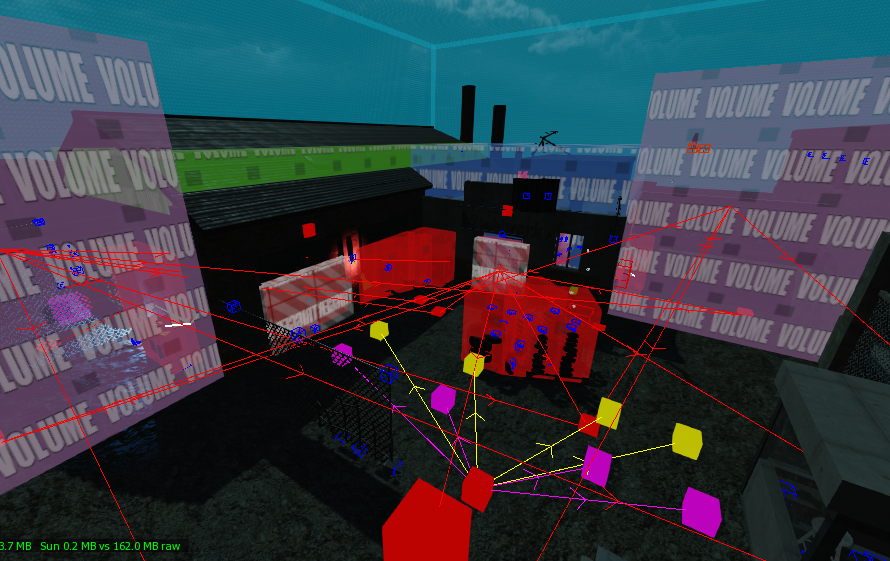
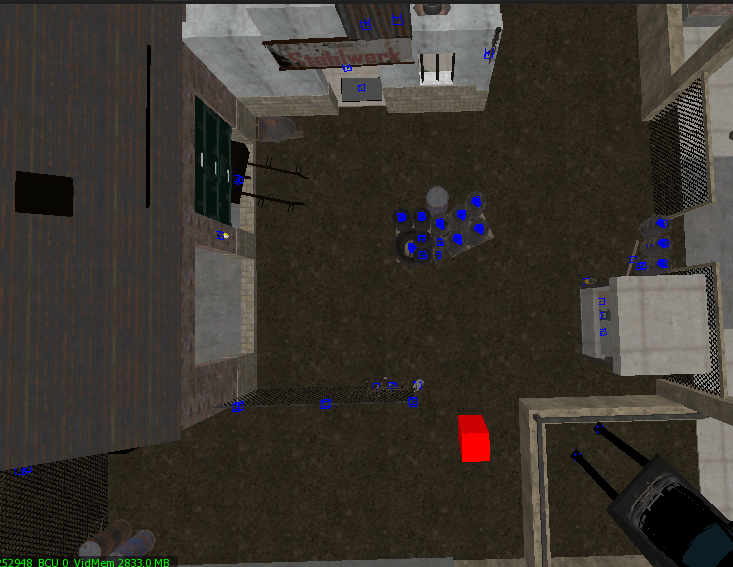
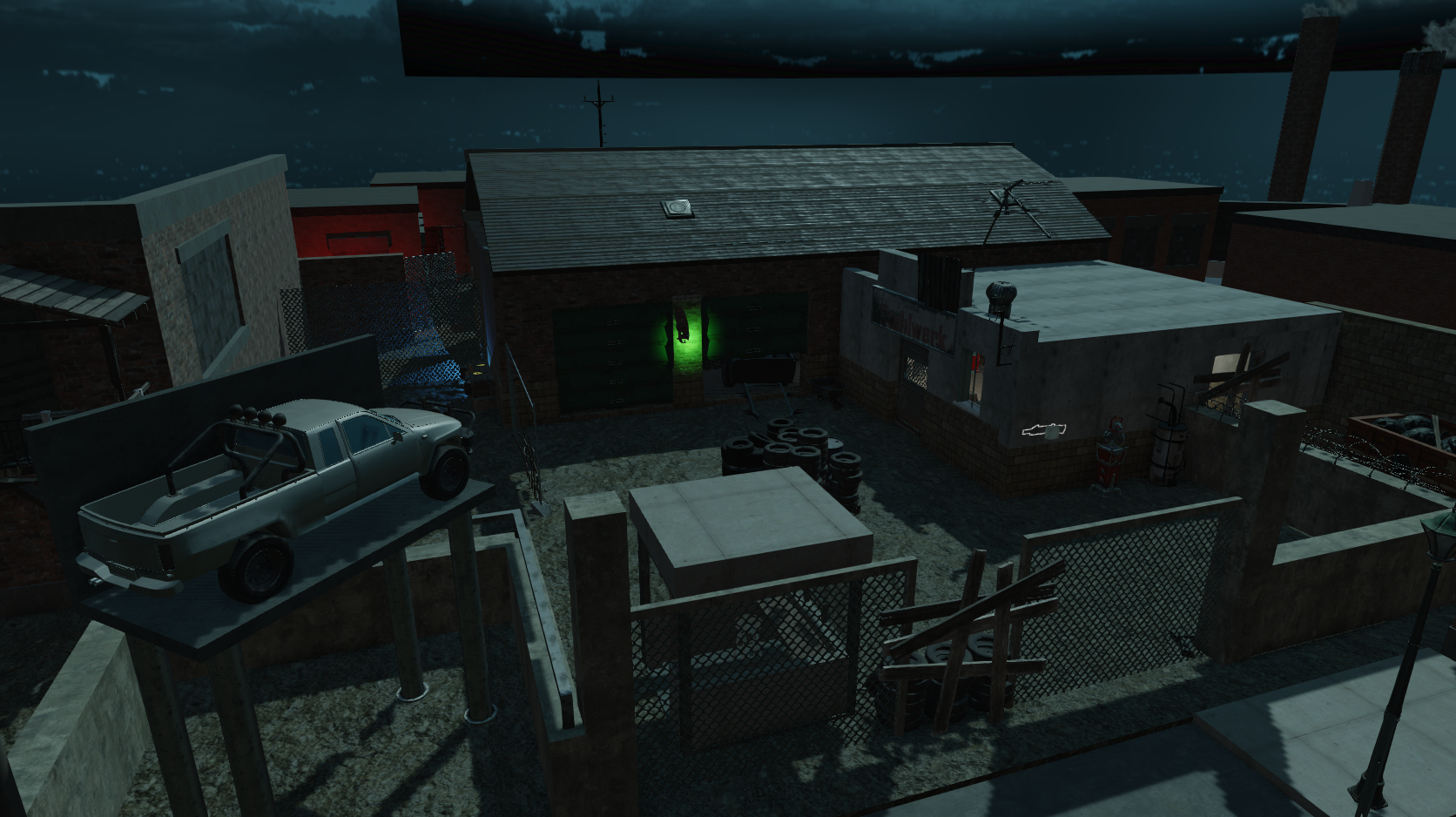
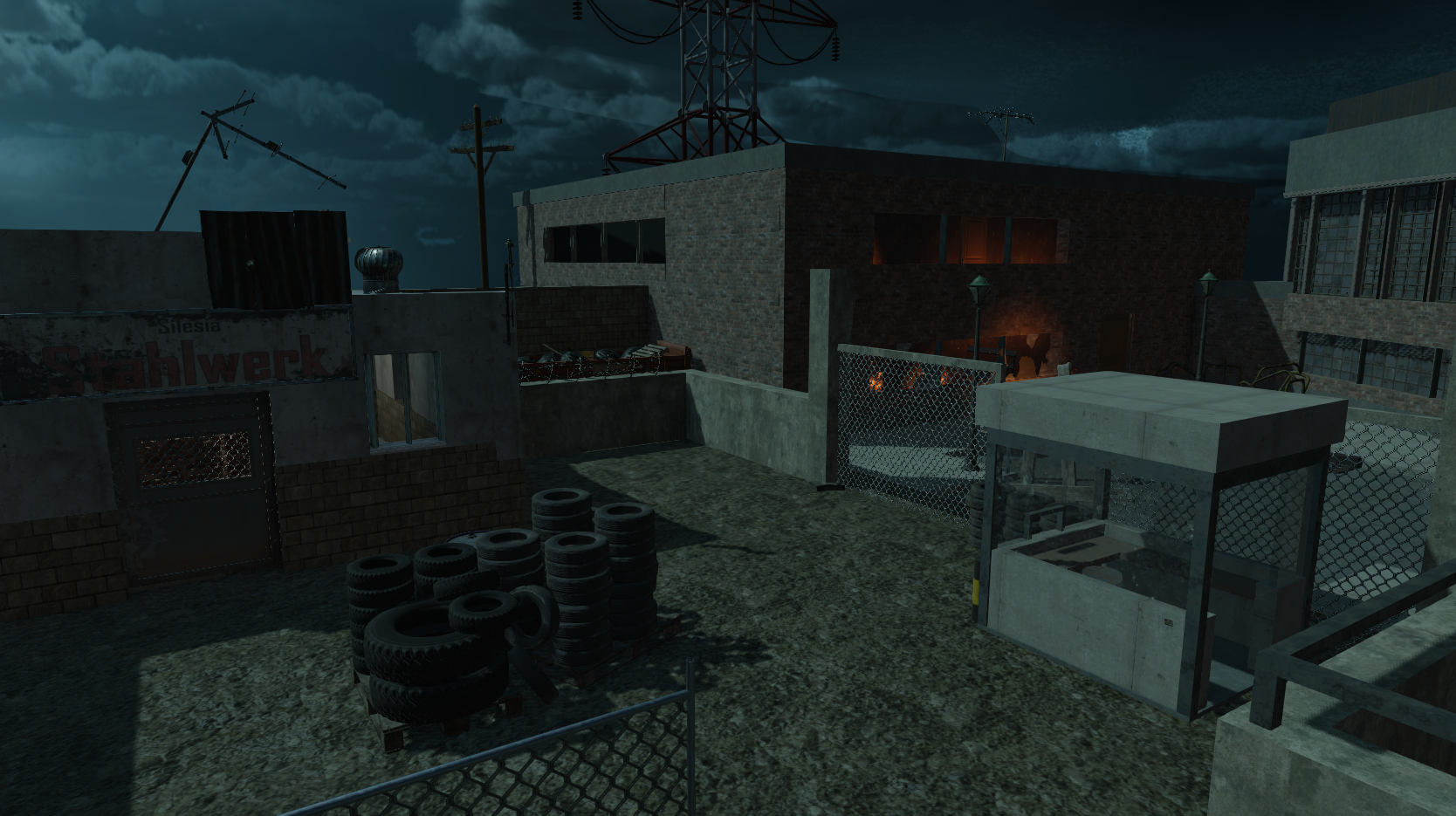
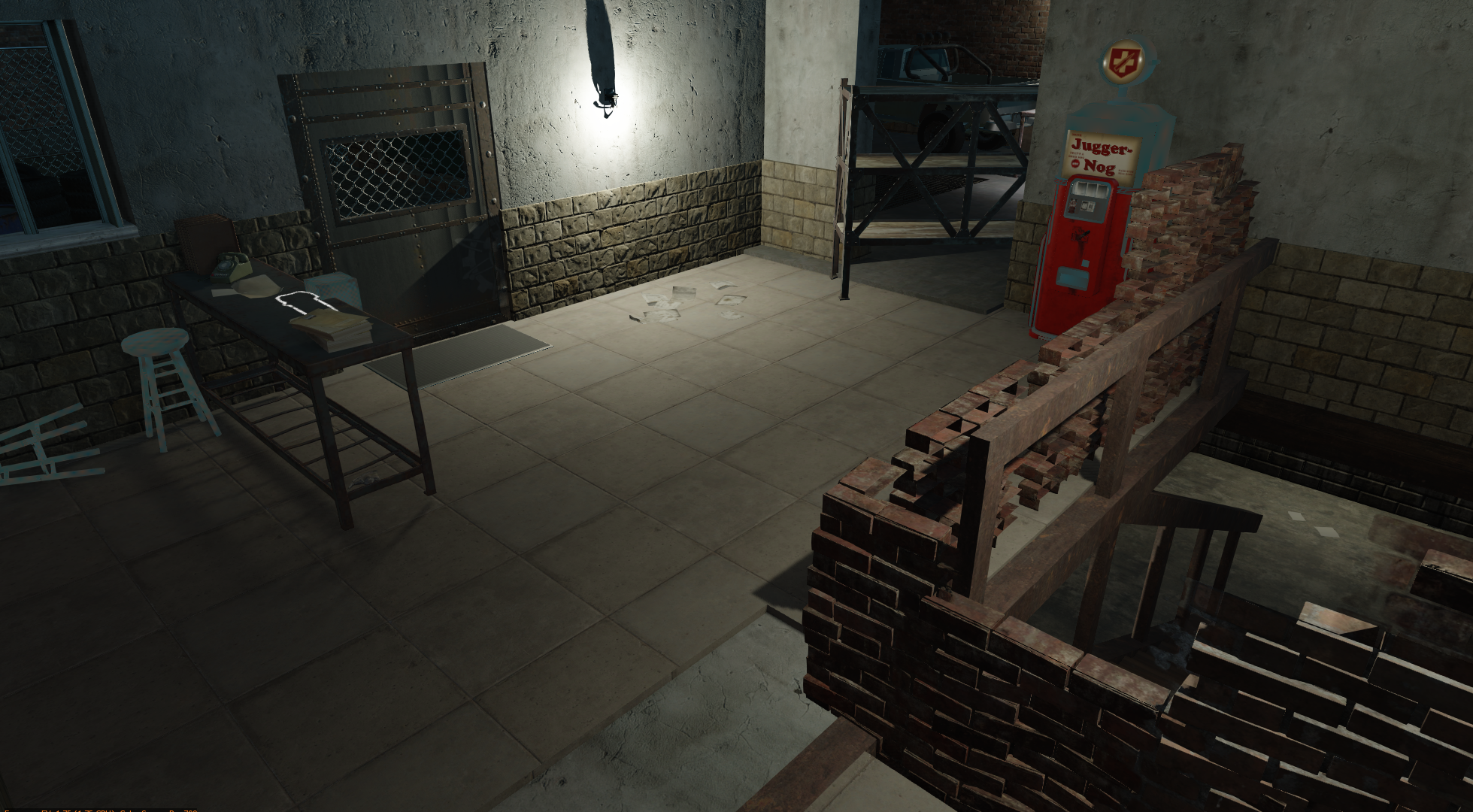
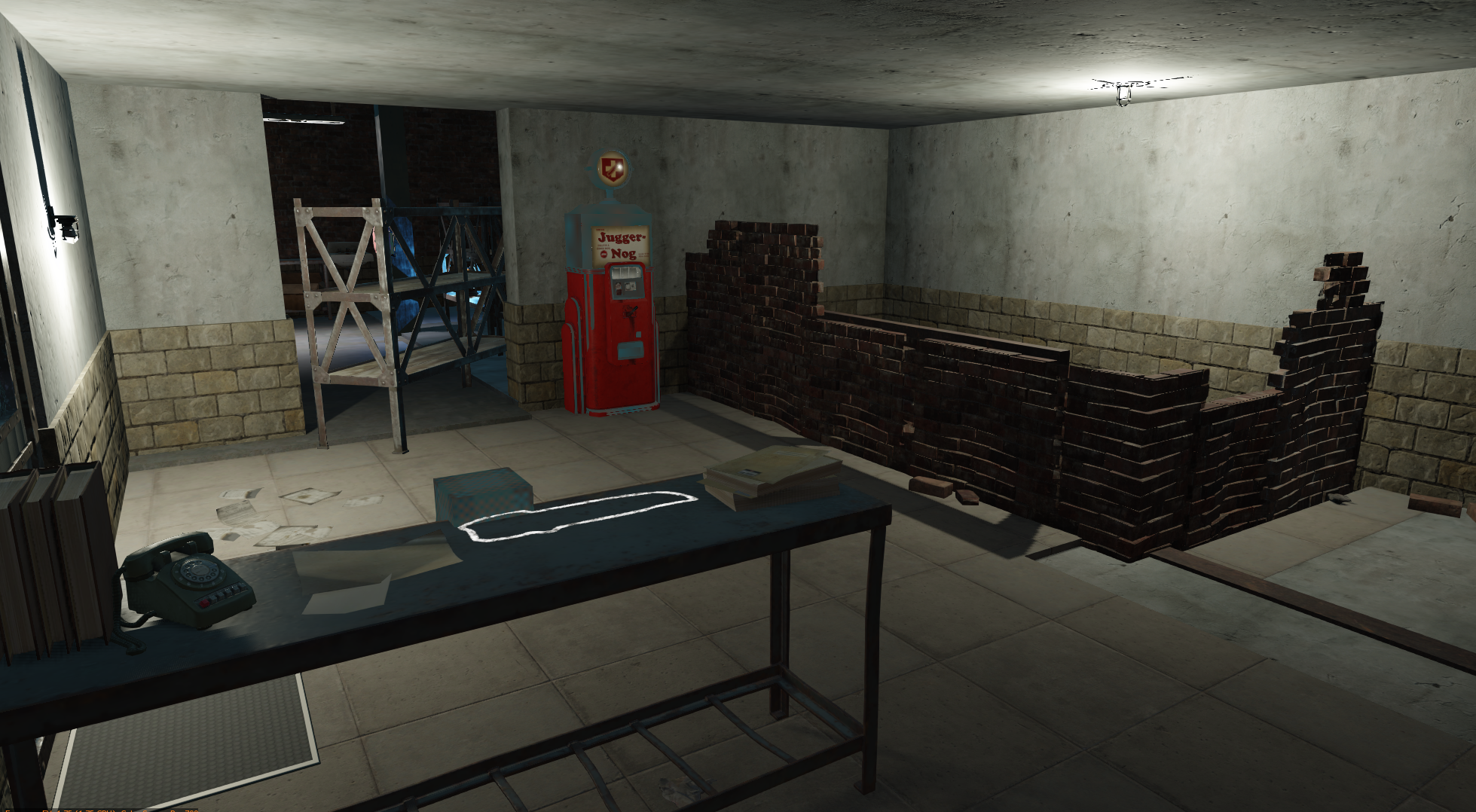
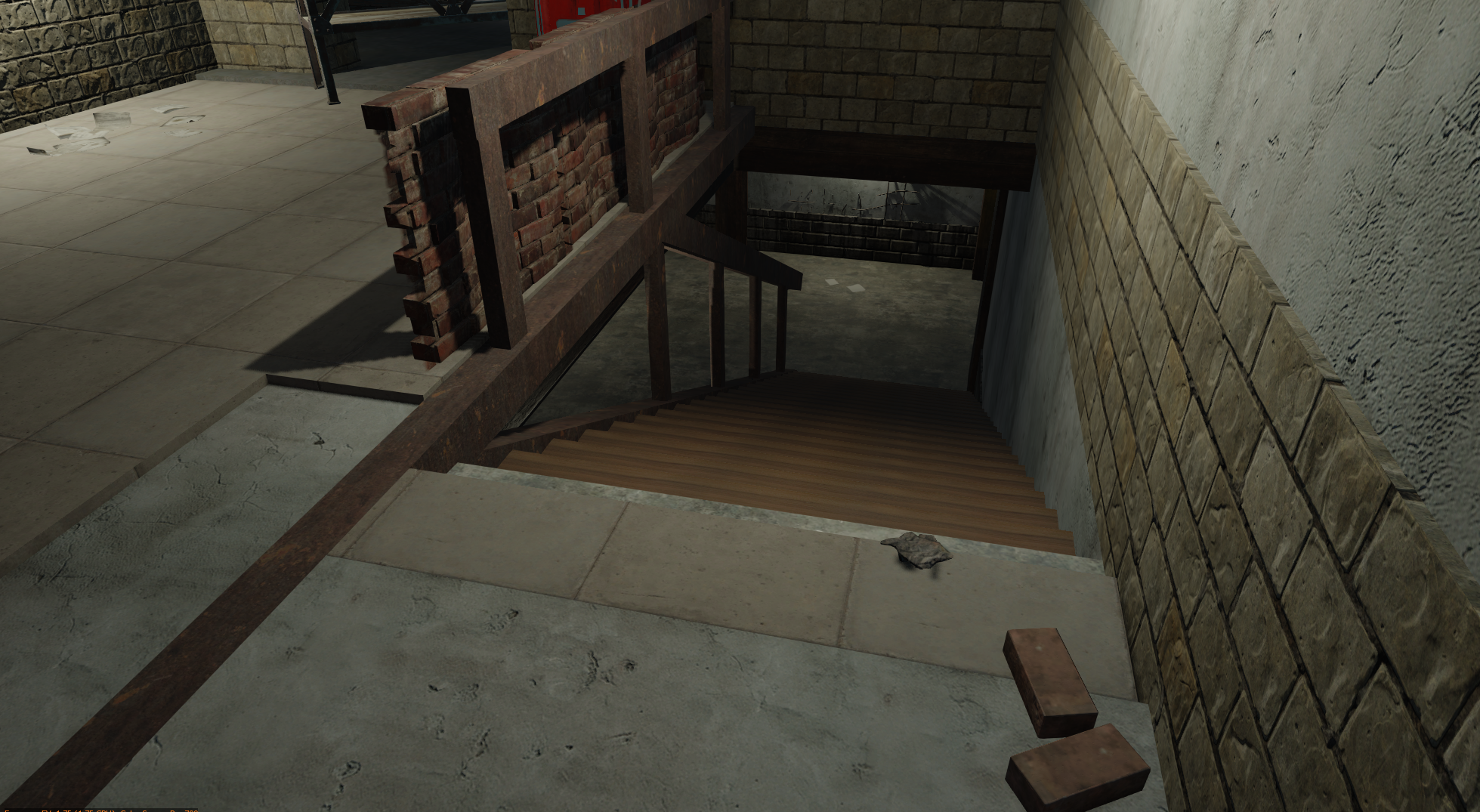
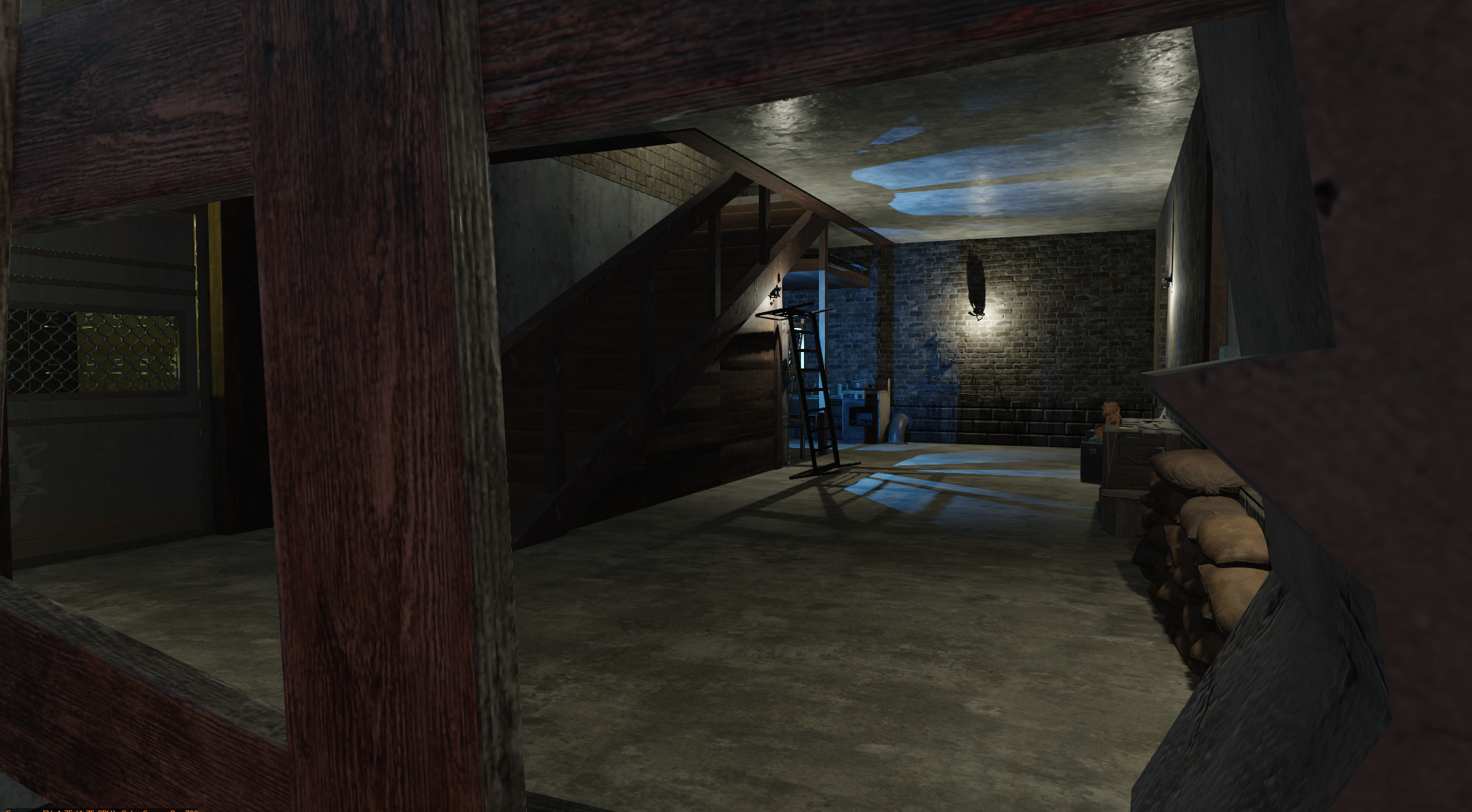
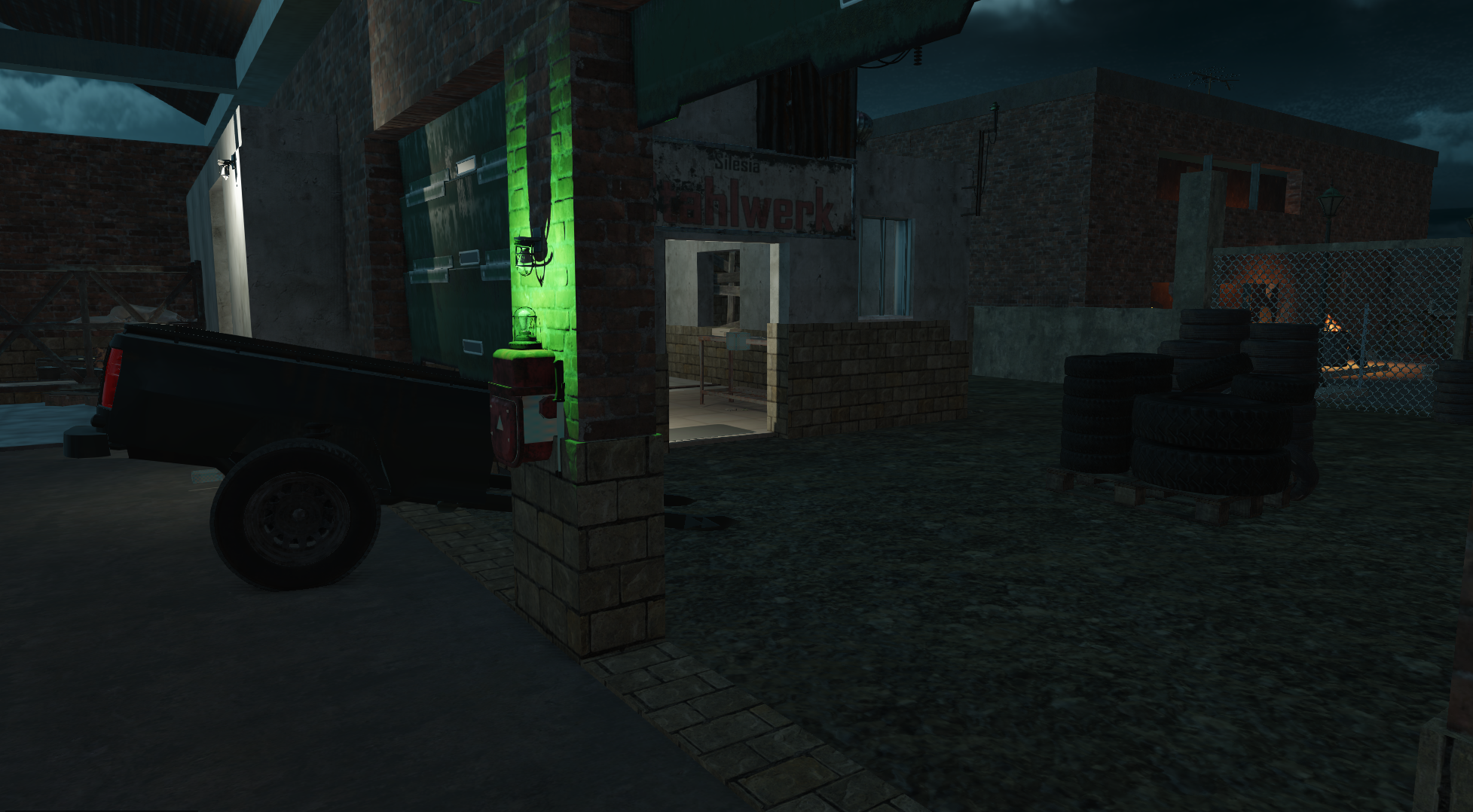
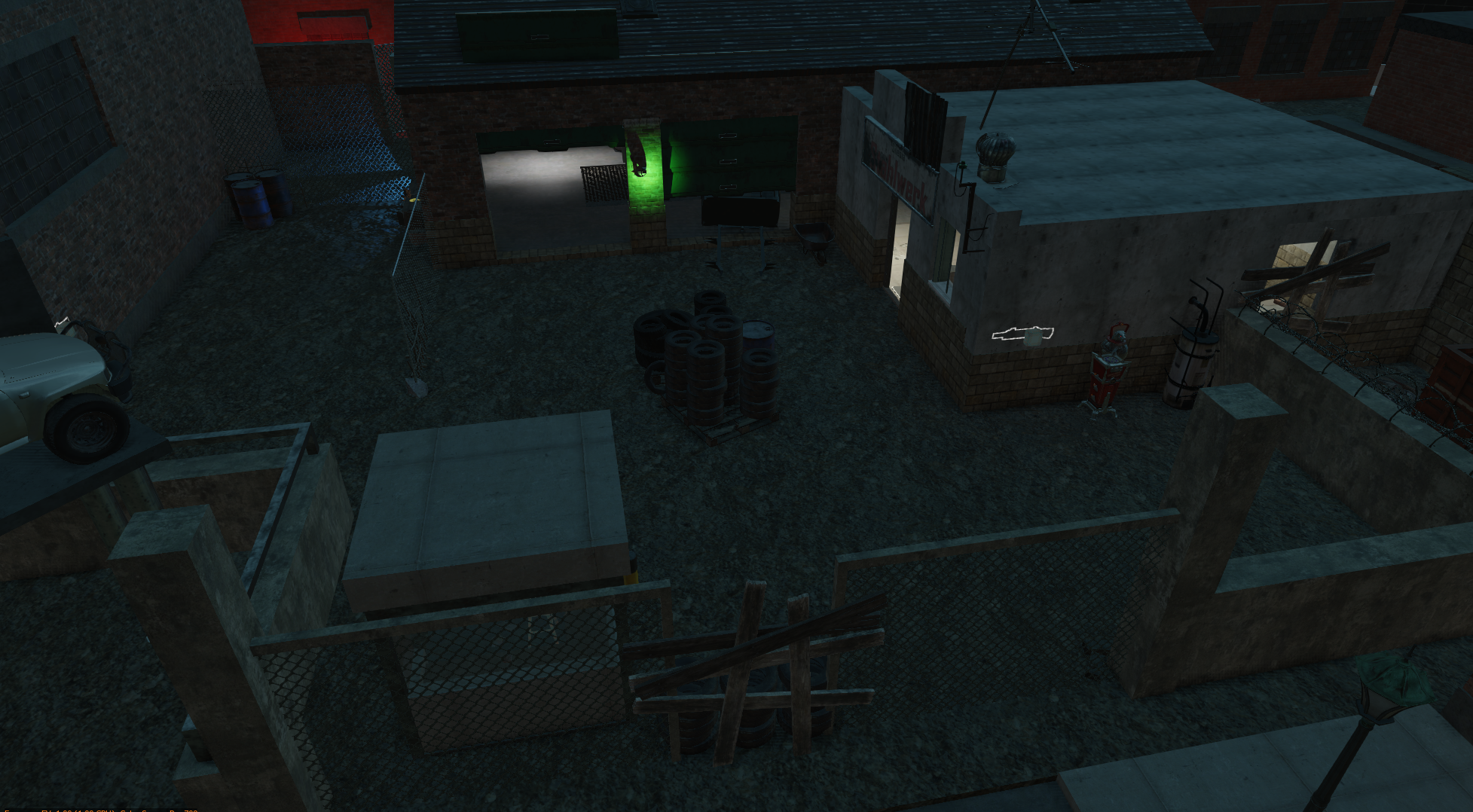
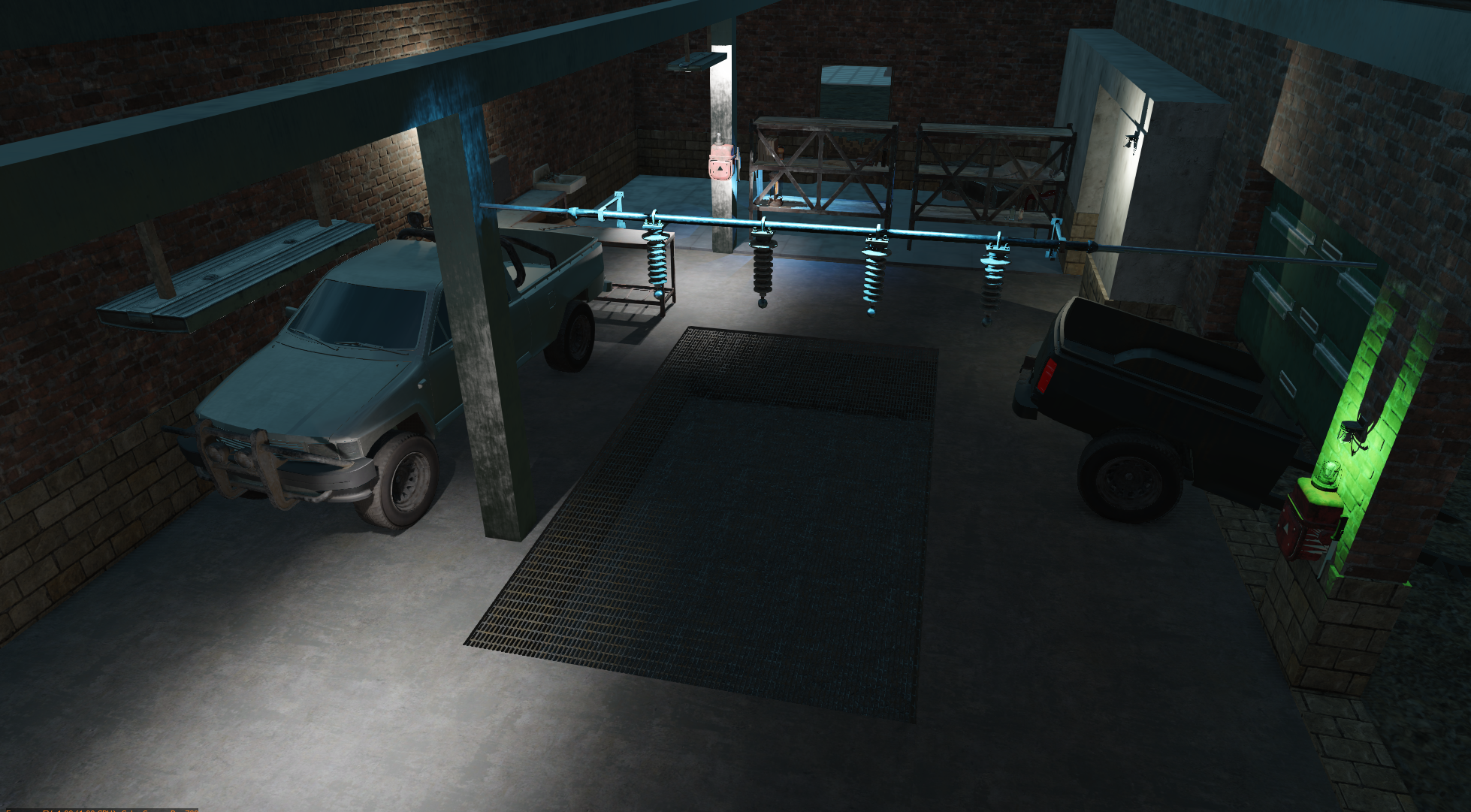
In a cluttered industrial zone lies a small closed down garage riddled with zombies and secrets. Reopen shop for your undead patrons as you explore the claustrophobic map inspired by the level flow of Nacht Der Untoten!
Role
Level Design - Project Lead
Team Size
1
Tools used
BO3 Radiant / APE
Gameplay:
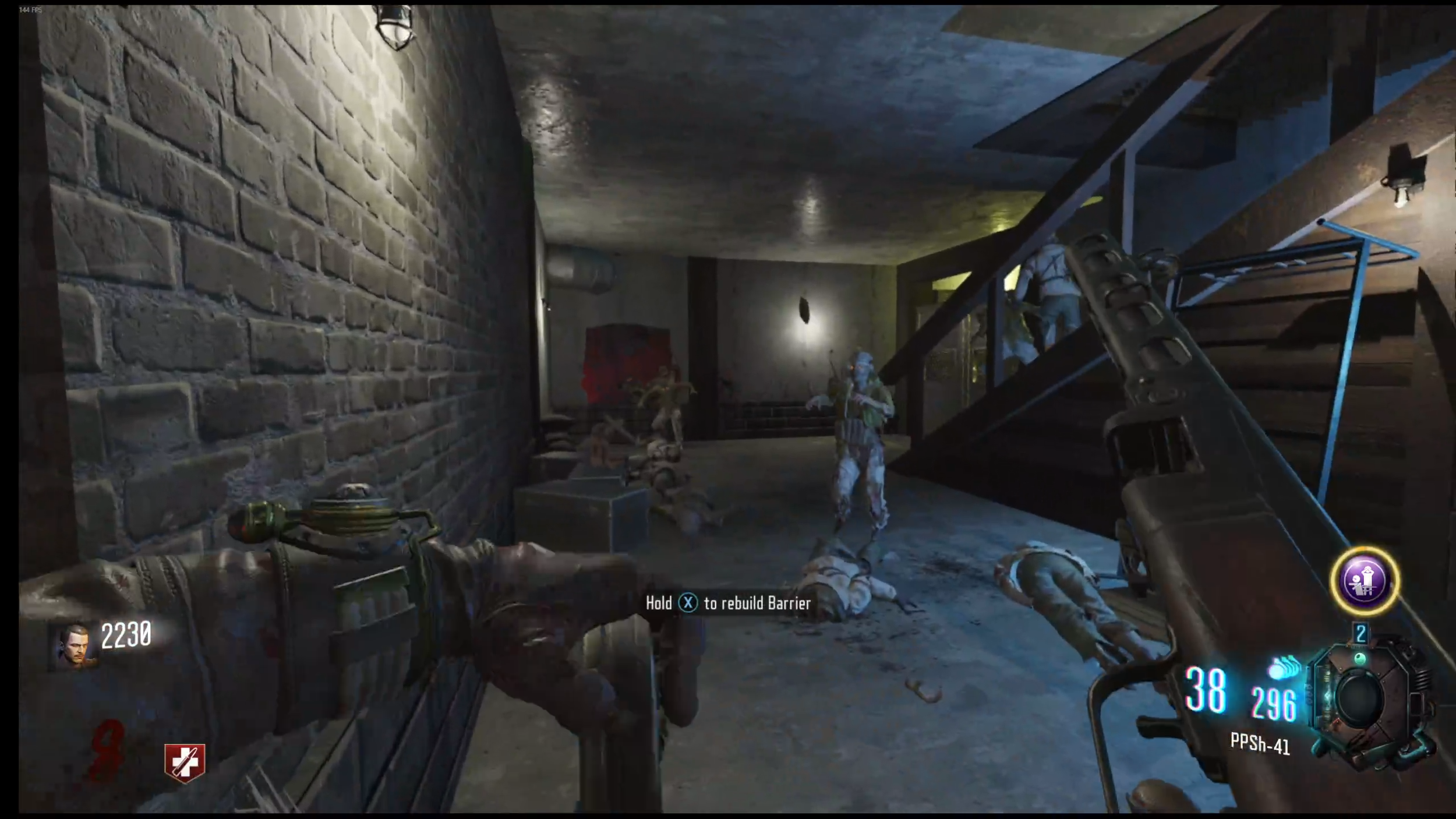
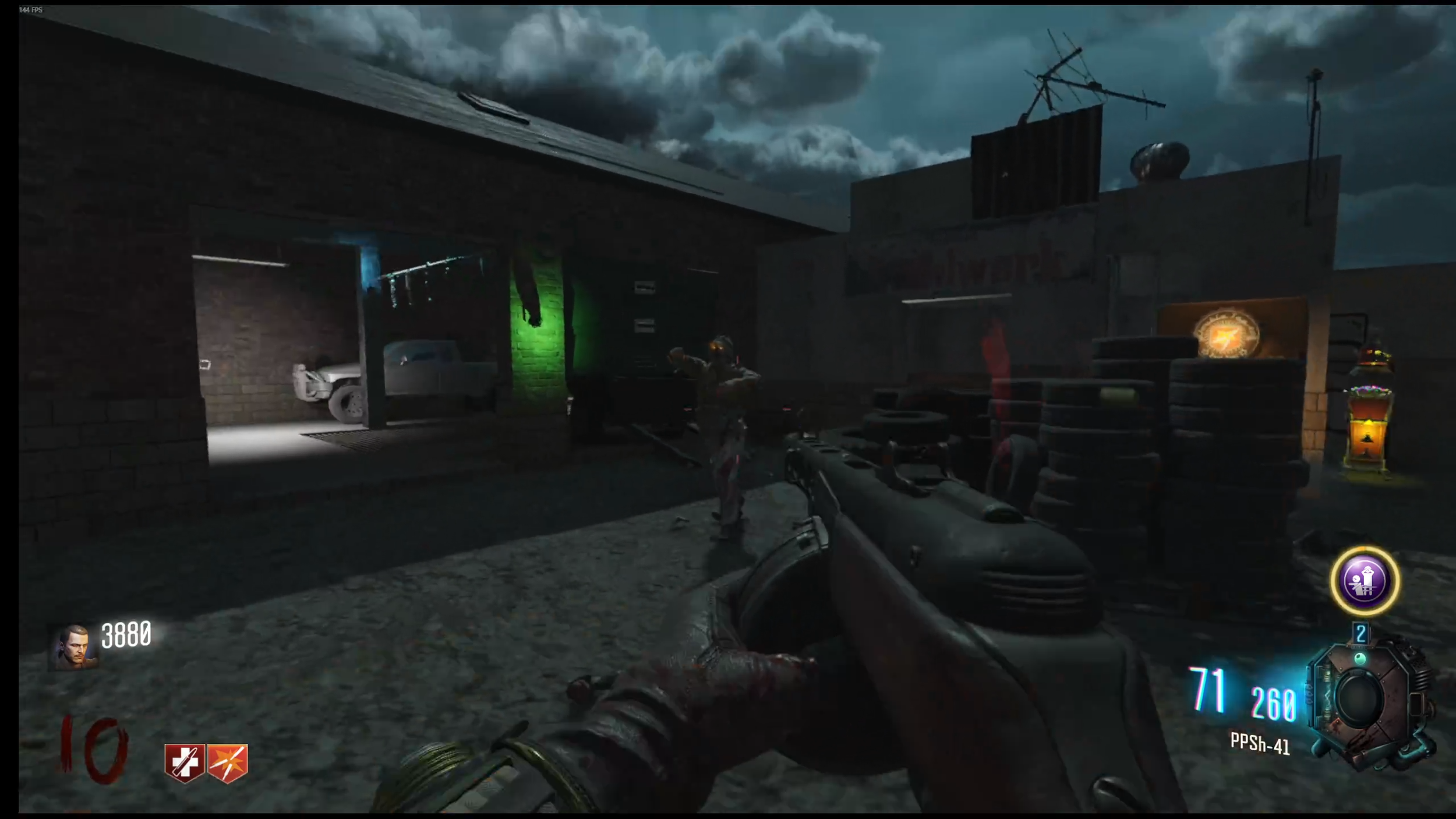
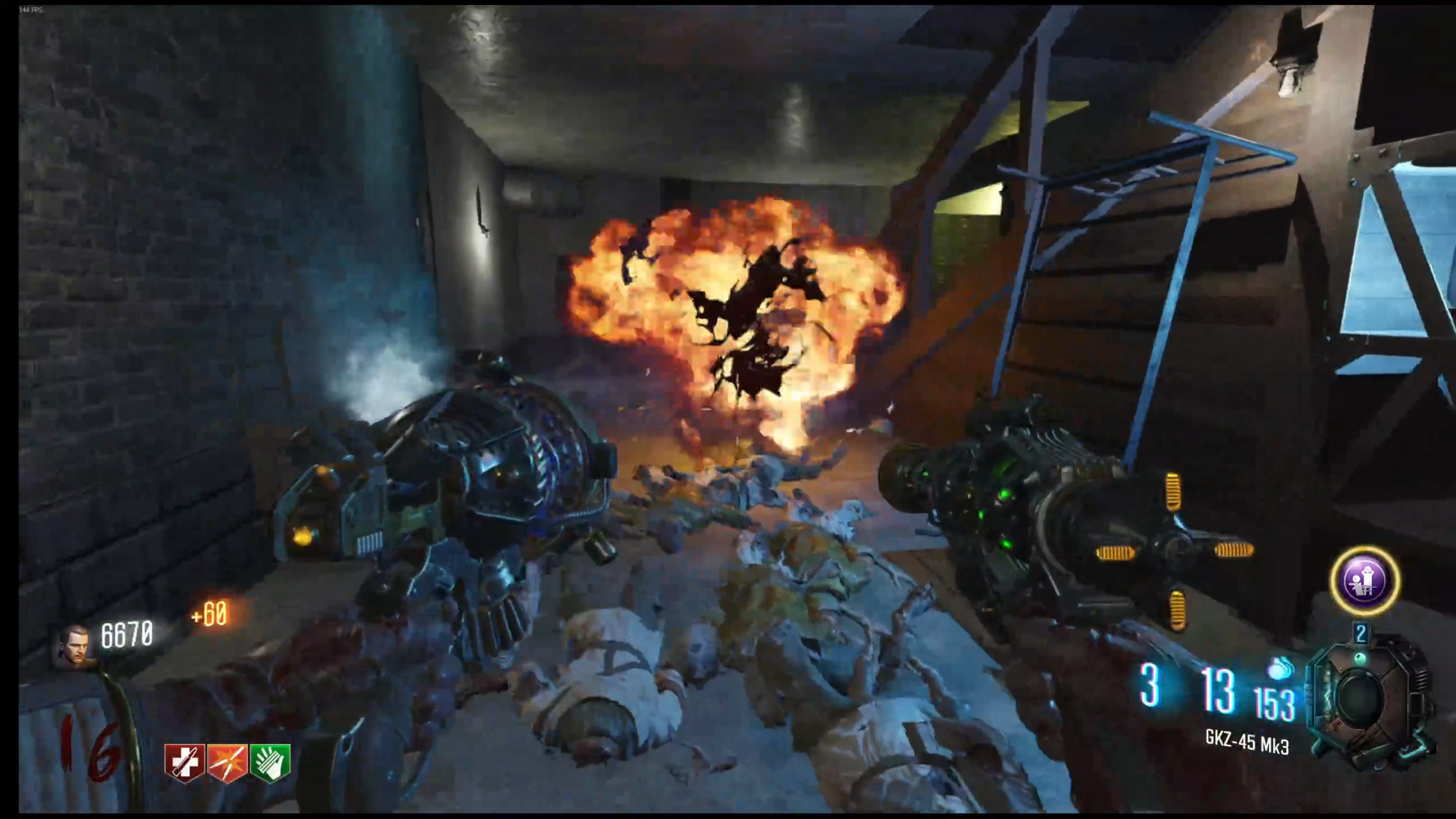
Here’s a video of my gameplay (kinda mid) showing off the tight corners level design and claustrophobic garage.
I’ve gotten to round 24 in playtesting, but like Nacht, it really does ramp up in difficulty once sprinters start spawning in.
The map did well on youtube after submitting it and Paramore FTL did get to round 27 as a duo :D
Overview:
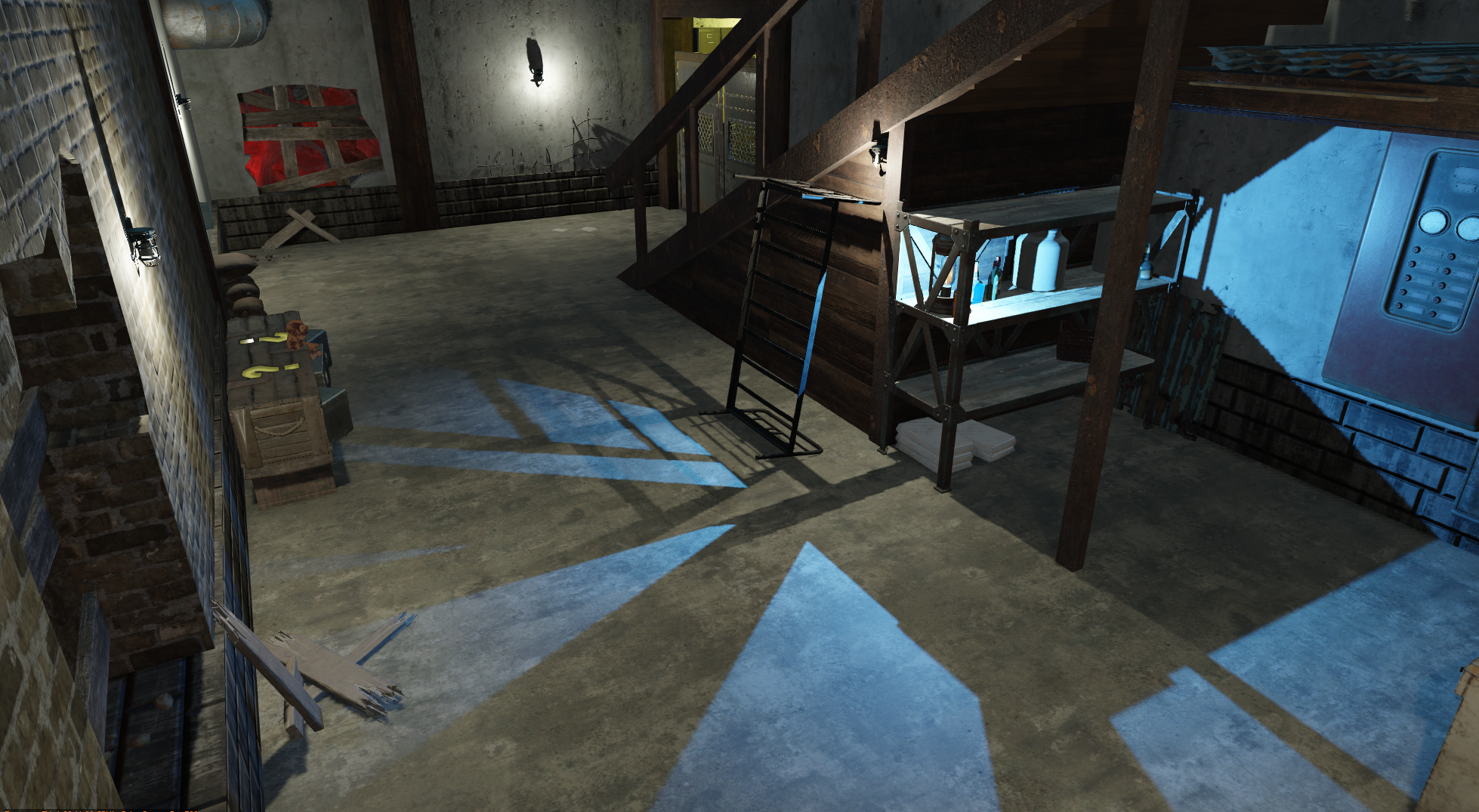
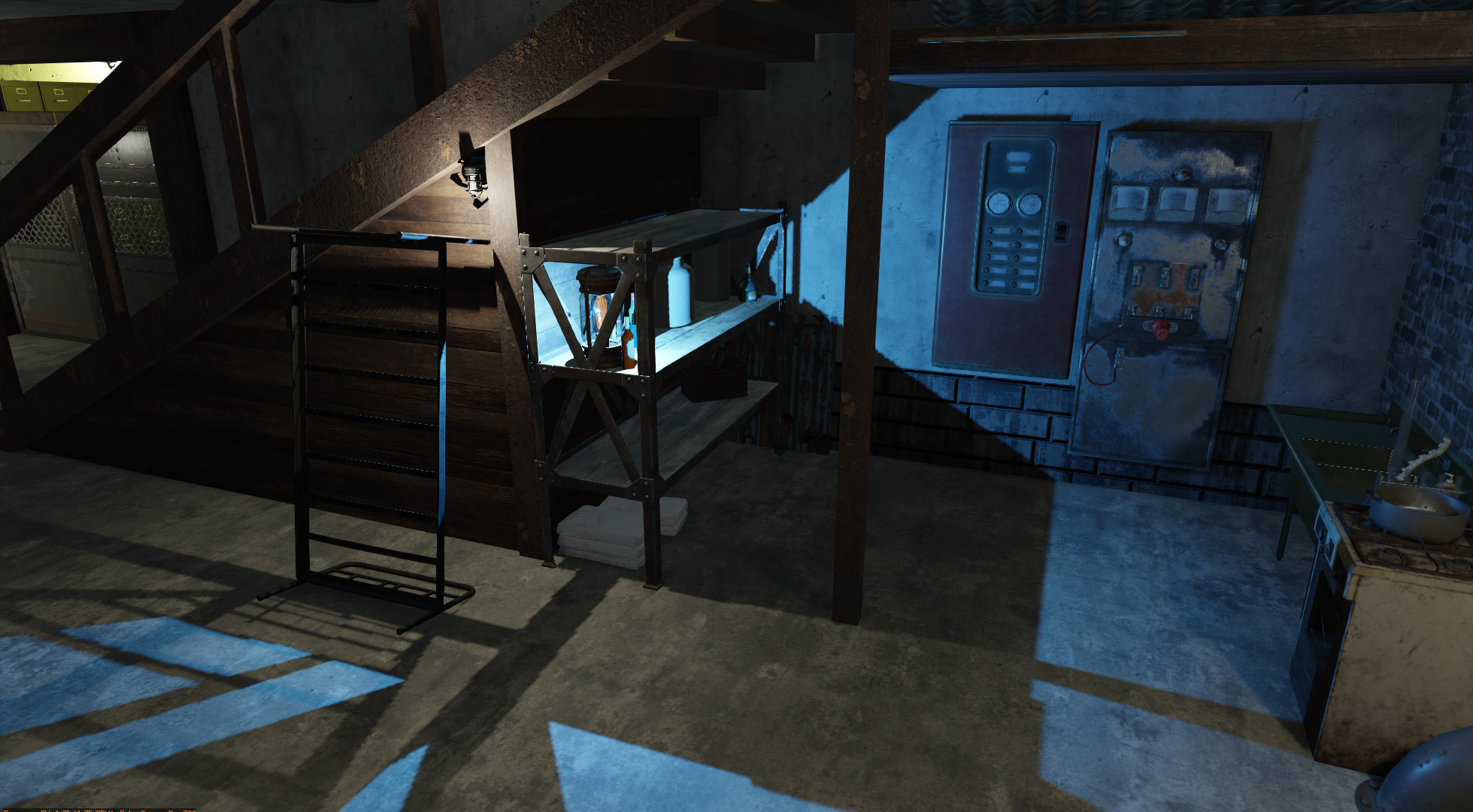
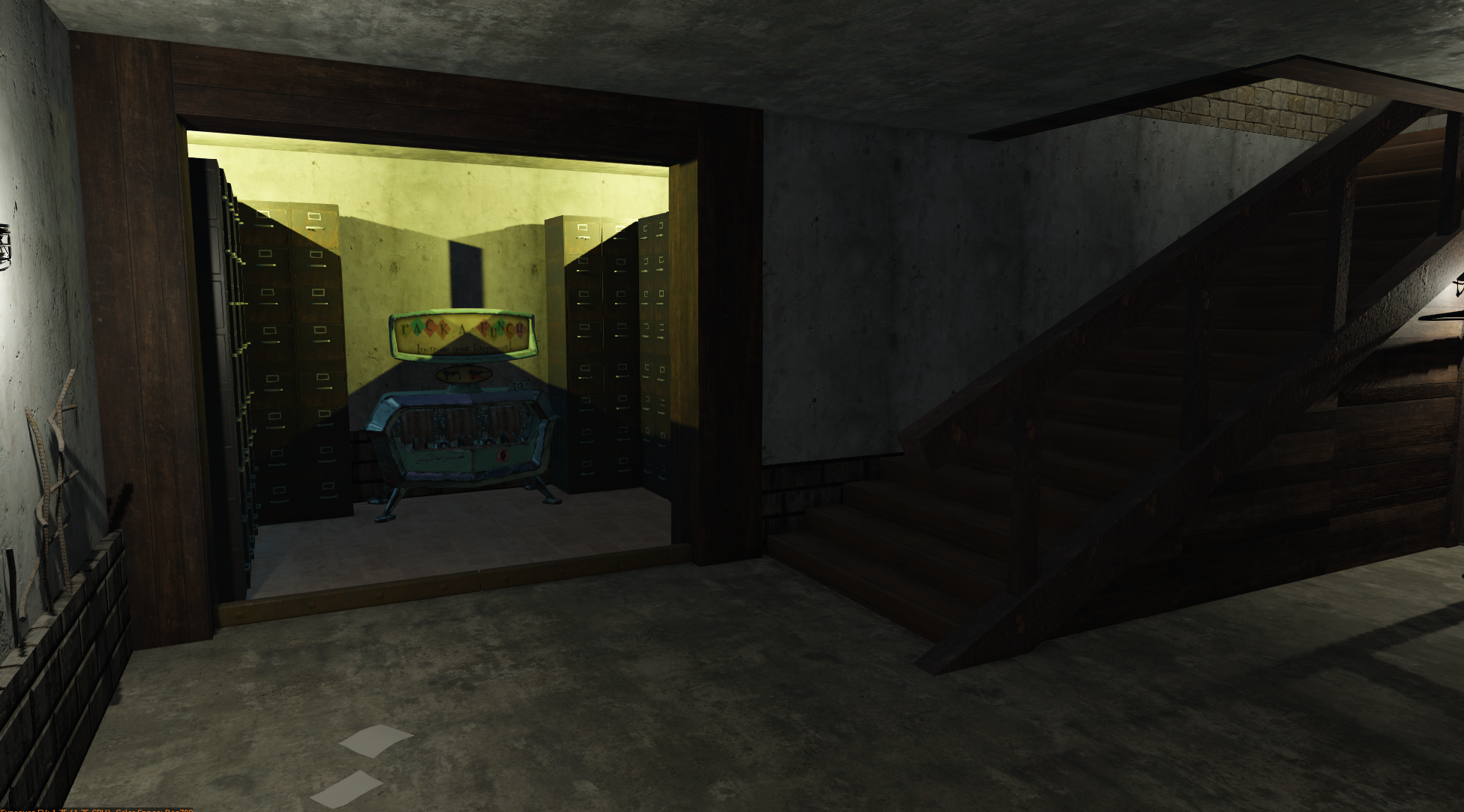
Grease Pit is a custom Call of Duty: Black Ops 3 Zombies map designed as a tight, high-pressure survival experience inspired by the claustrophobic layouts of early Zombies maps. The project focused on recreating the intensity and simplicity of maps like Nacht der Untoten, Verrückt, and Farm Survival, emphasizing constrained movement, fast decision-making, and escalating difficulty.
My goal was to design a space that forces constant player tension through limited sightlines and restrictive pathways, encouraging mastery of positioning and resource management. Alongside gameplay design, this project served as an opportunity to develop technical proficiency in the Radiant engine, including level blockout, scripting implementation, and encounter tuning within the Zombies framework.
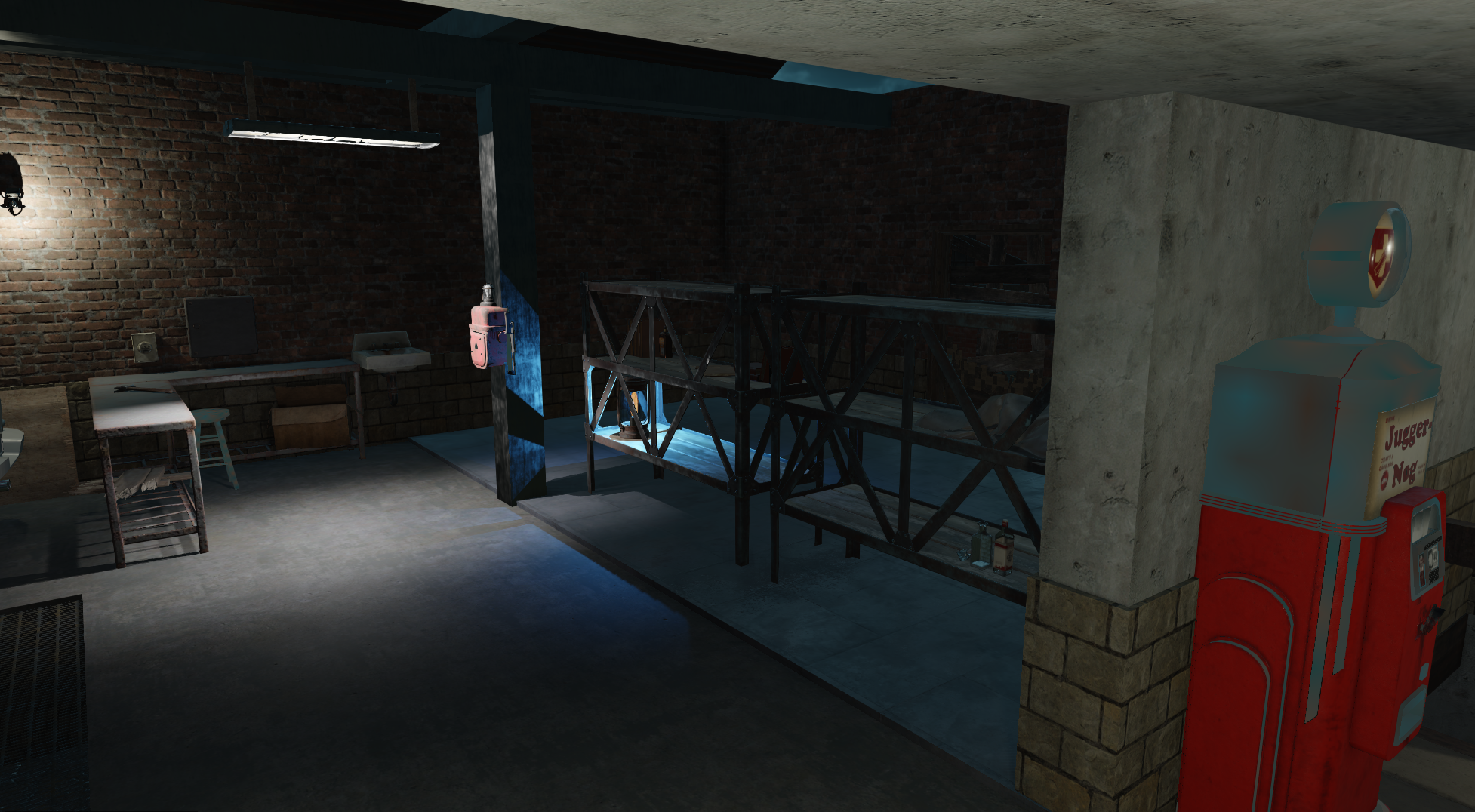
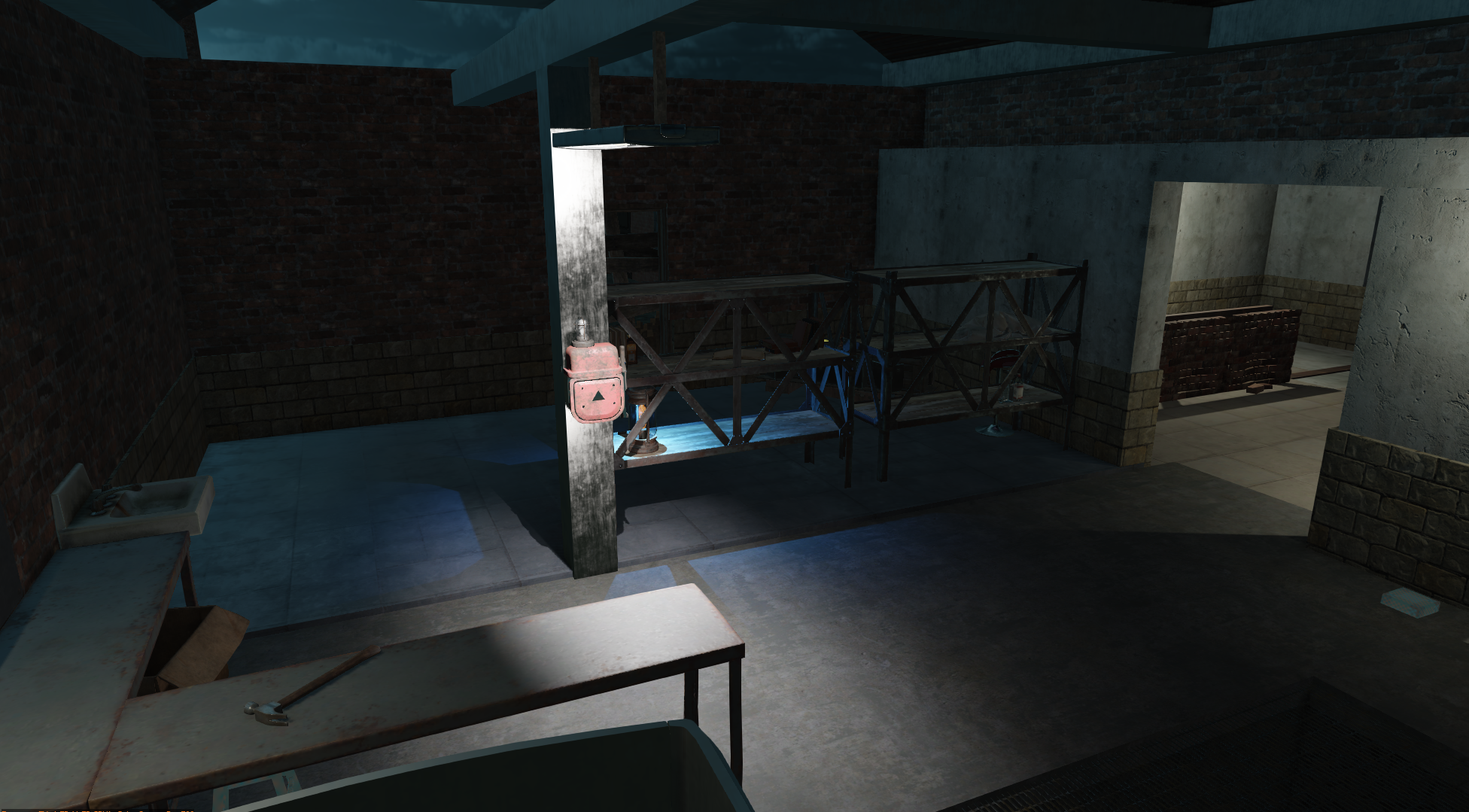
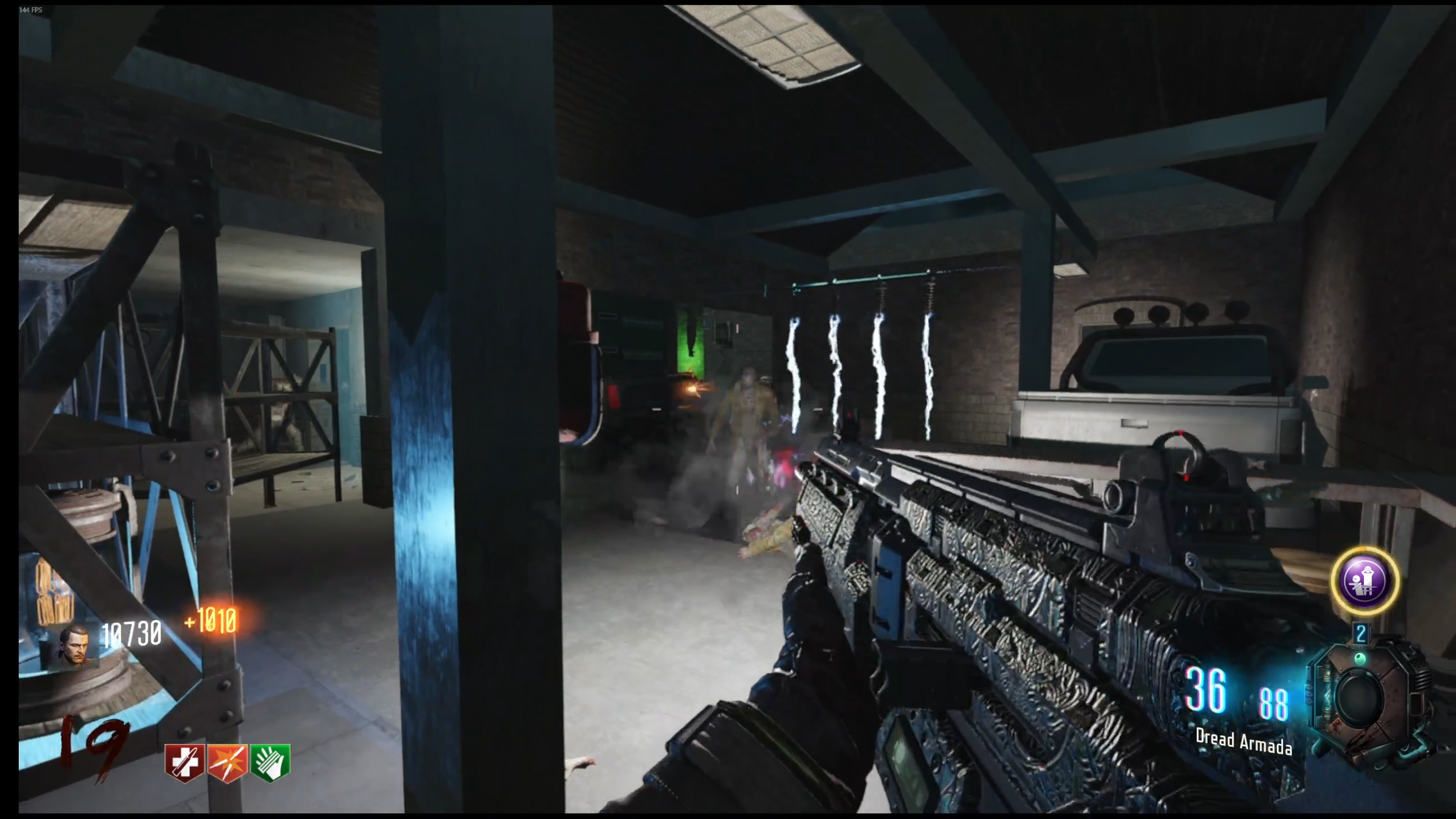
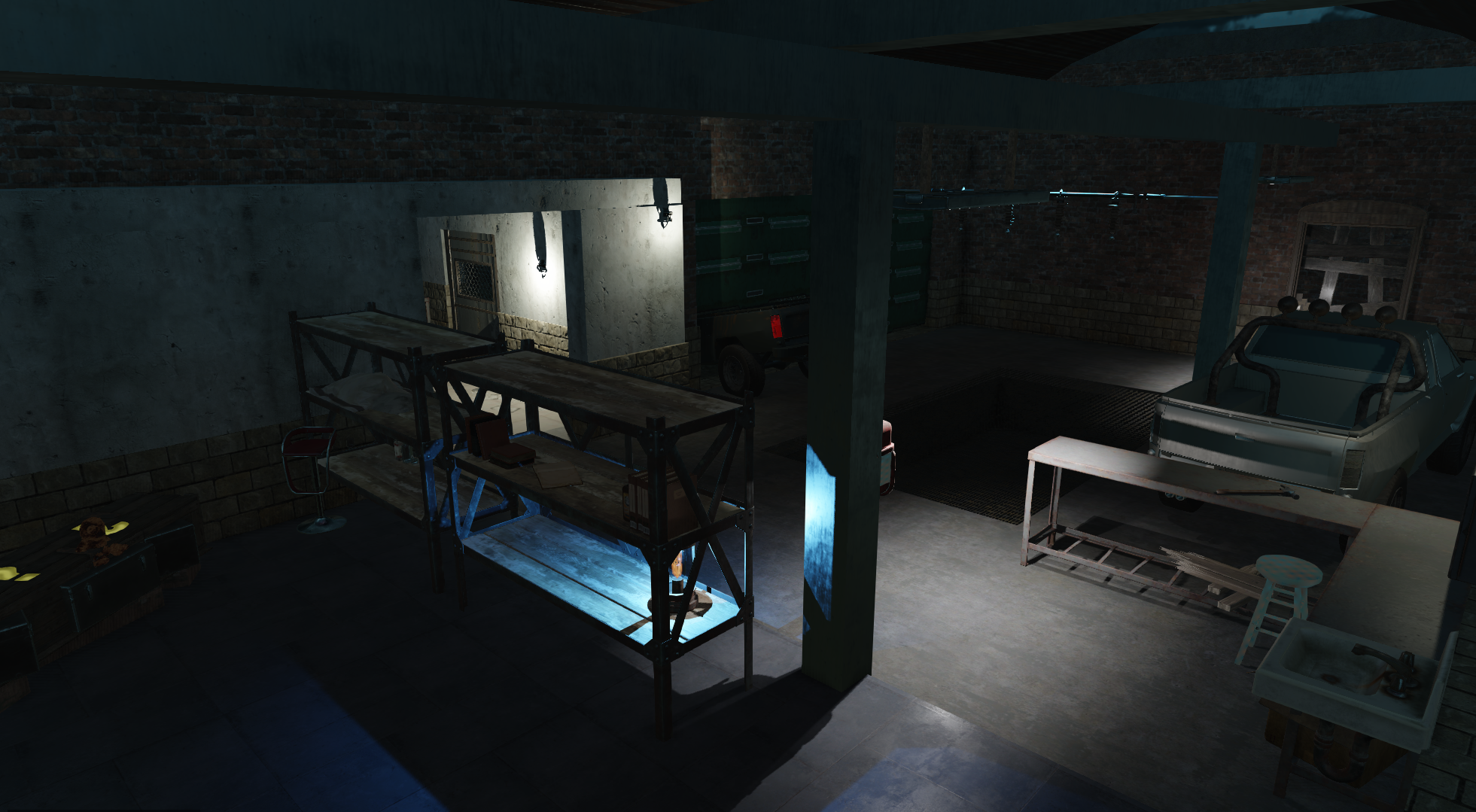
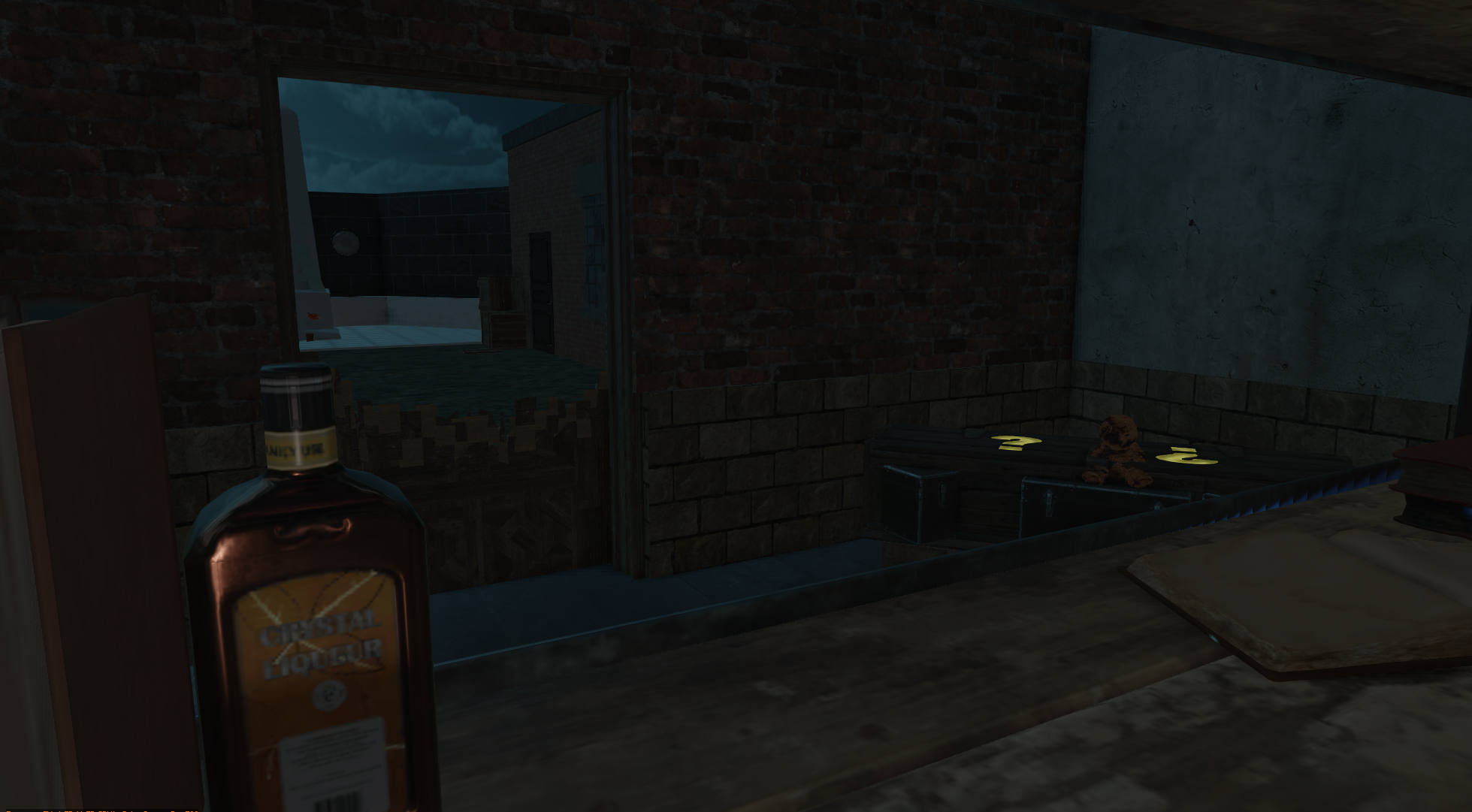
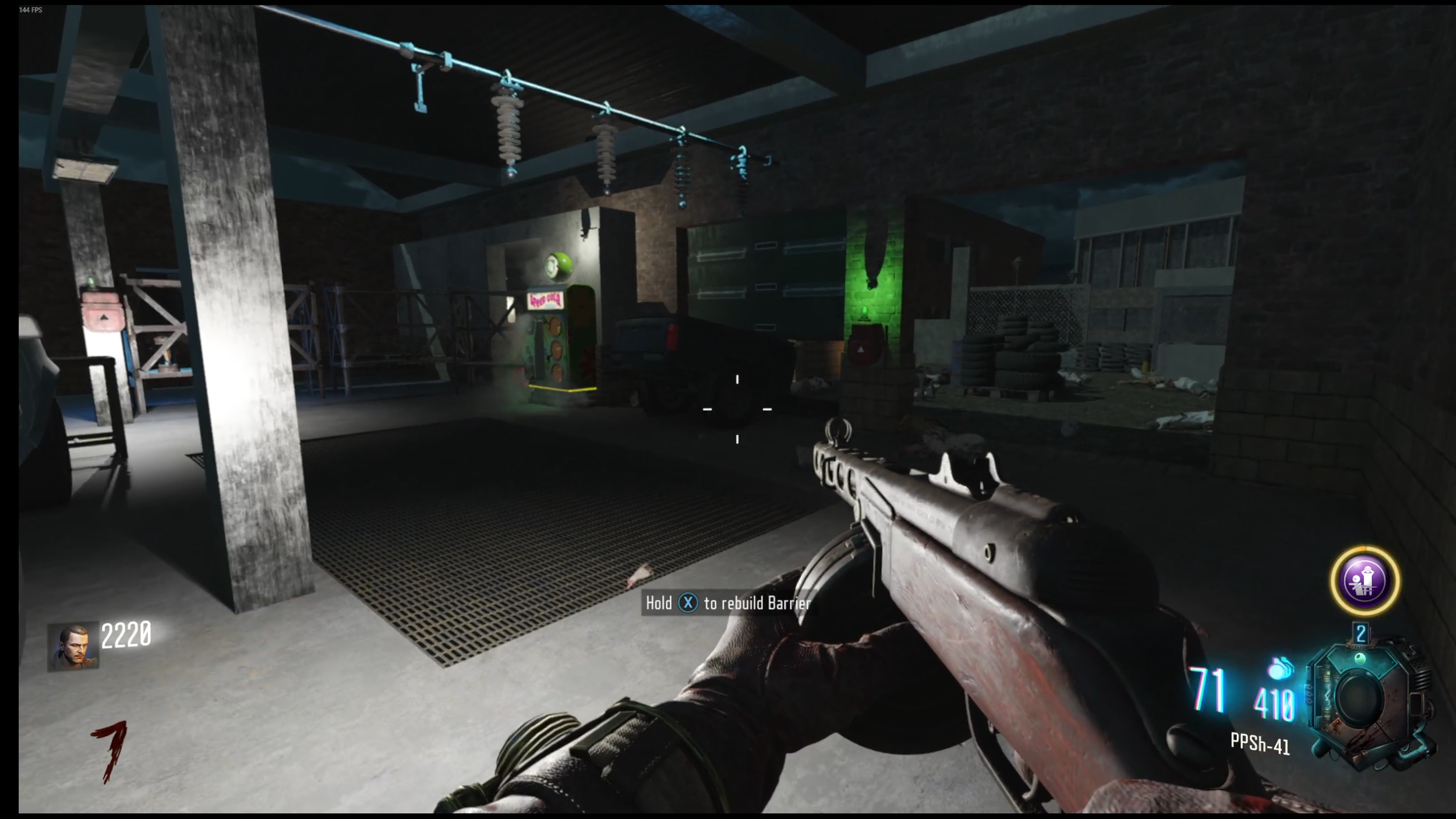
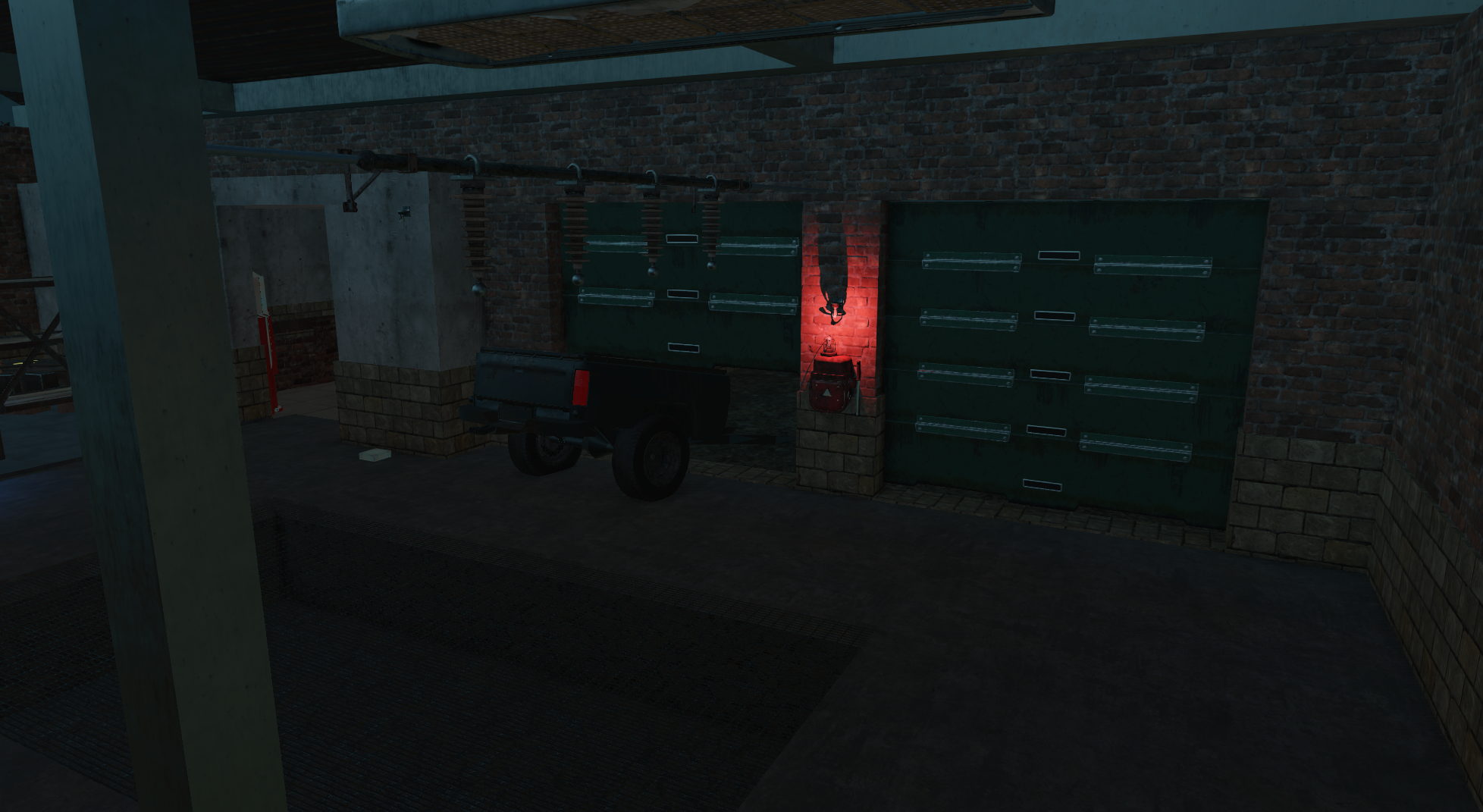
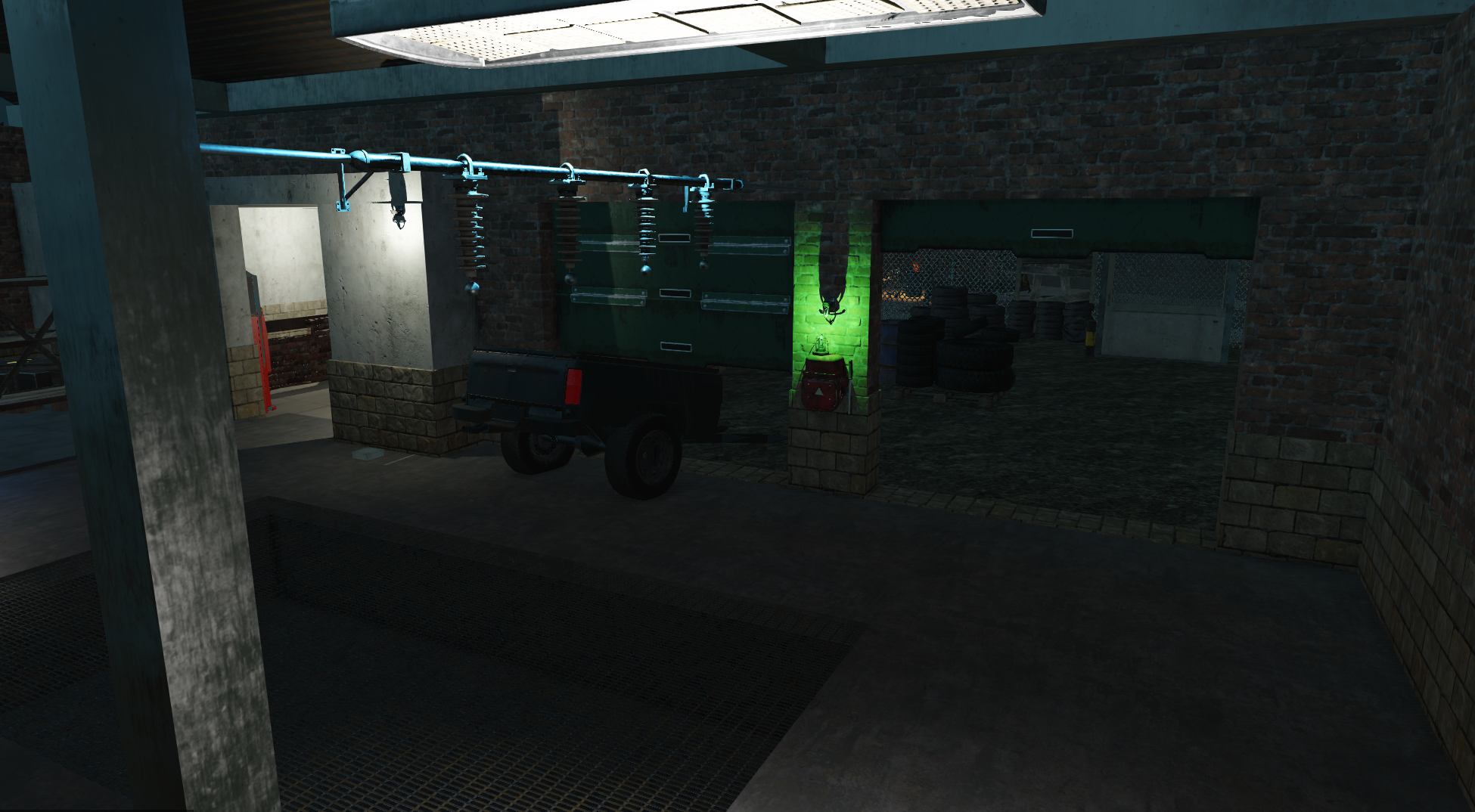
A Love for the classics:
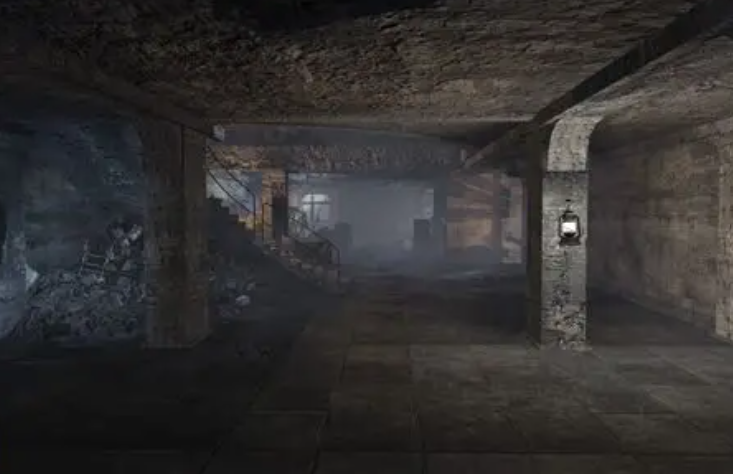
With Grease Pit, I set out to capture the spirit of early Zombies maps by returning to a smaller, more focused design similar in scale to Nacht der Untoten, while avoiding the familiar bunker setting. Stripping things back allowed me to focus on what makes these experiences memorable with tension, simplicity, and meaningful player decisions, rather than relying on complex systems or mechanics.
The map mirrors that Nacht’s structure with a twist: an open upper space paired with a tight, claustrophobic lower section, effectively inverting Nacht’s layout. I kept pathways narrow and deliberately placed bottlenecks between areas to create constant pressure, making traditional training strategies more difficult while still possible with careful play. The goal was to encourage players to adapt, stay alert, and engage with the space in a more deliberate way.
Grease Pit:
Final map layout - Upstairs
B = Barrier
S = Spawn
Final map layout - Basement
$ = Door
P = Perk
Nacht:
Using Radiant Engine:
Working in Radiant was a very different experience compared to Unreal Engine, requiring a shift in both mindset and workflow. While Unreal emphasizes visual scripting and real-time iteration, Radiant leans more into structured setups and manual control, which made even simple implementations feel more deliberate and hands-on.