Count The Draw

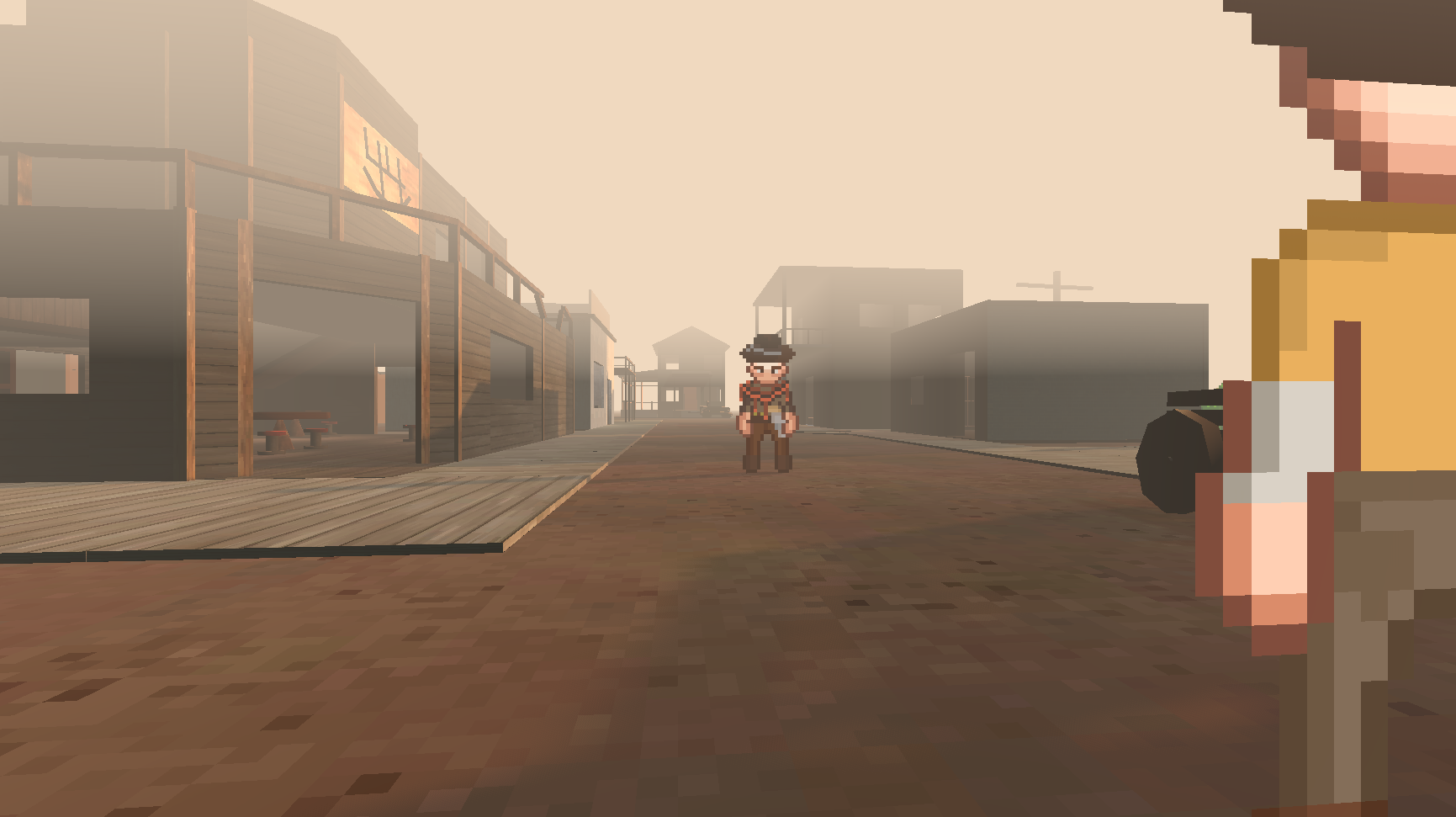
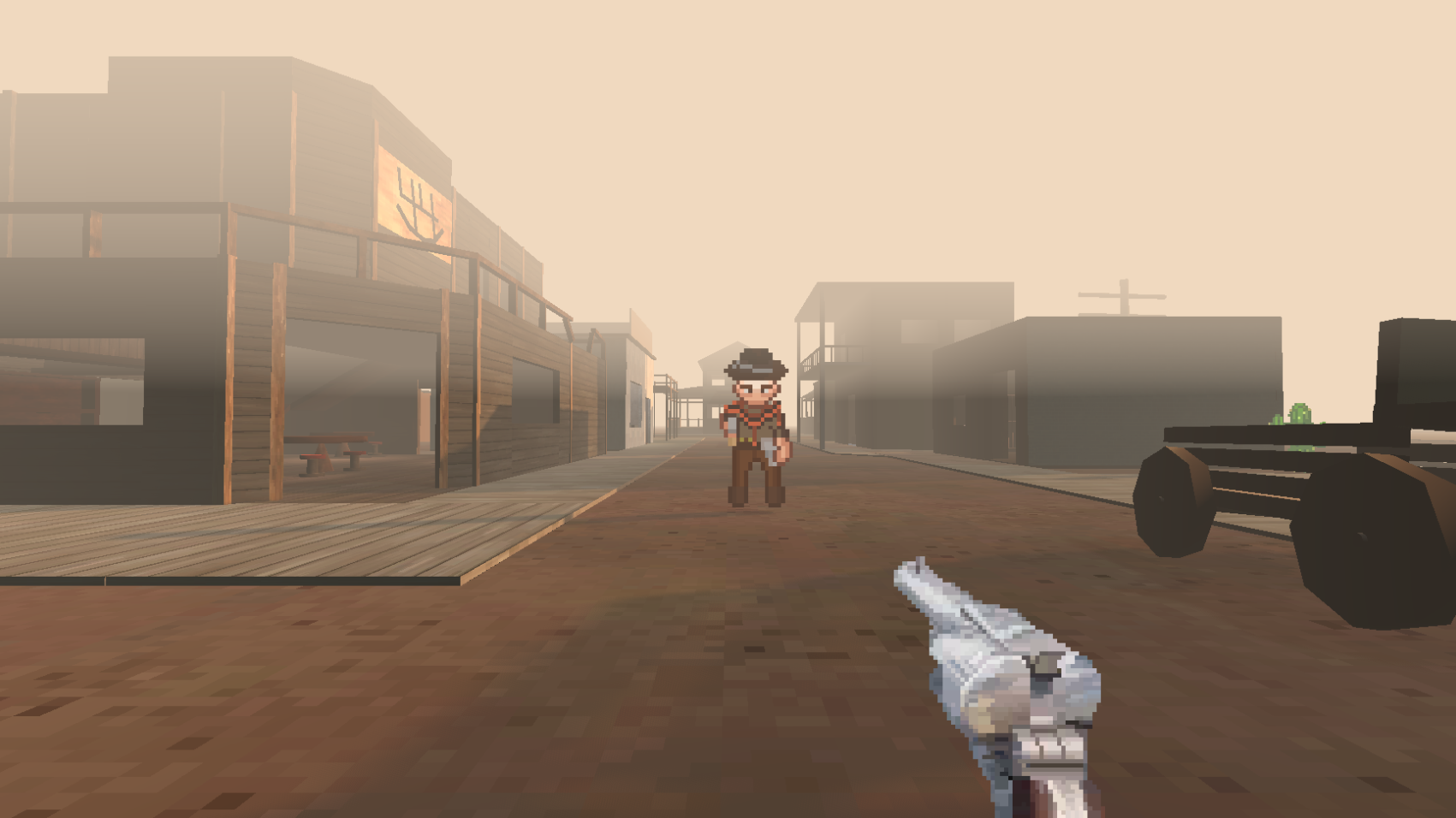
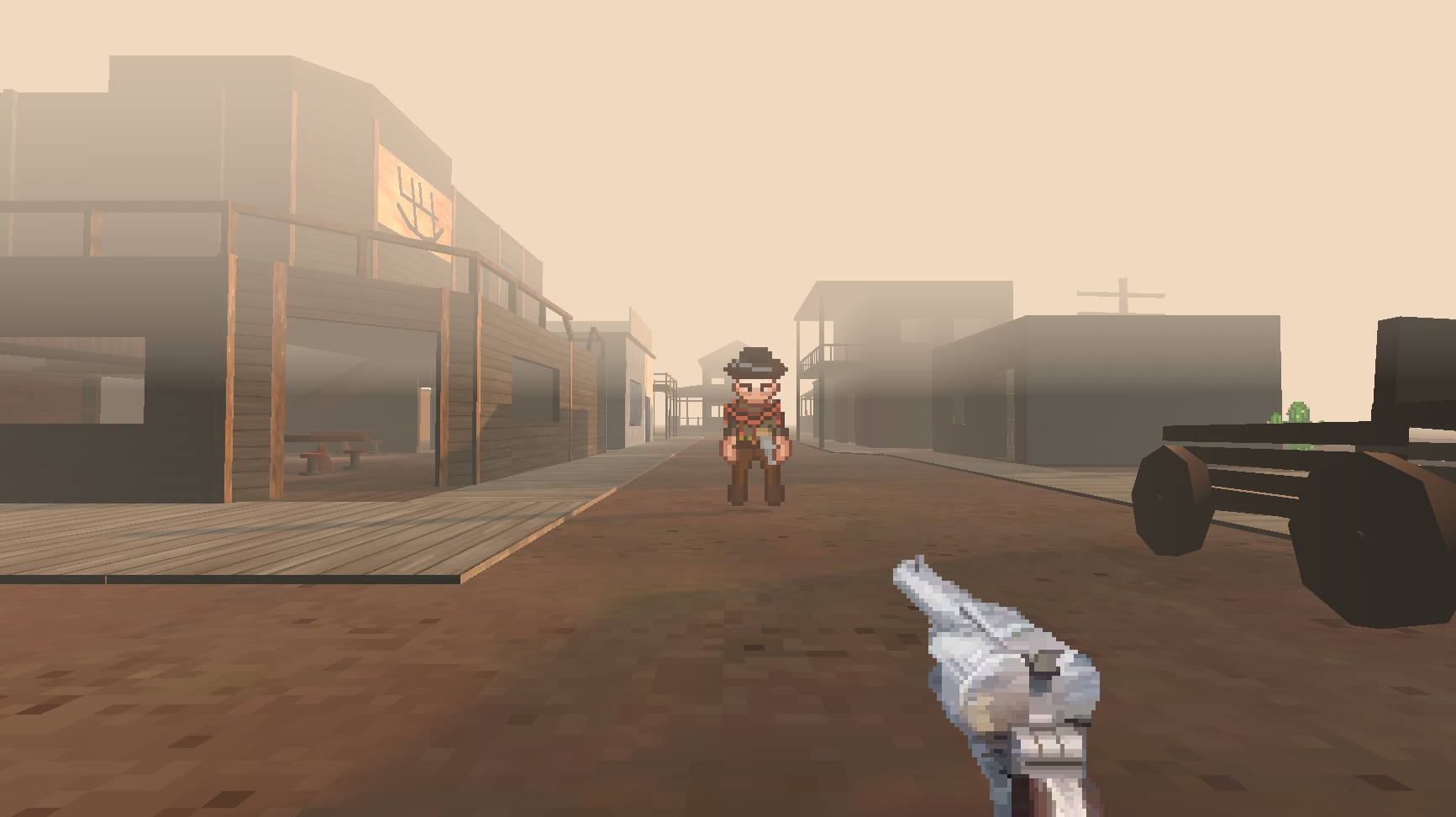
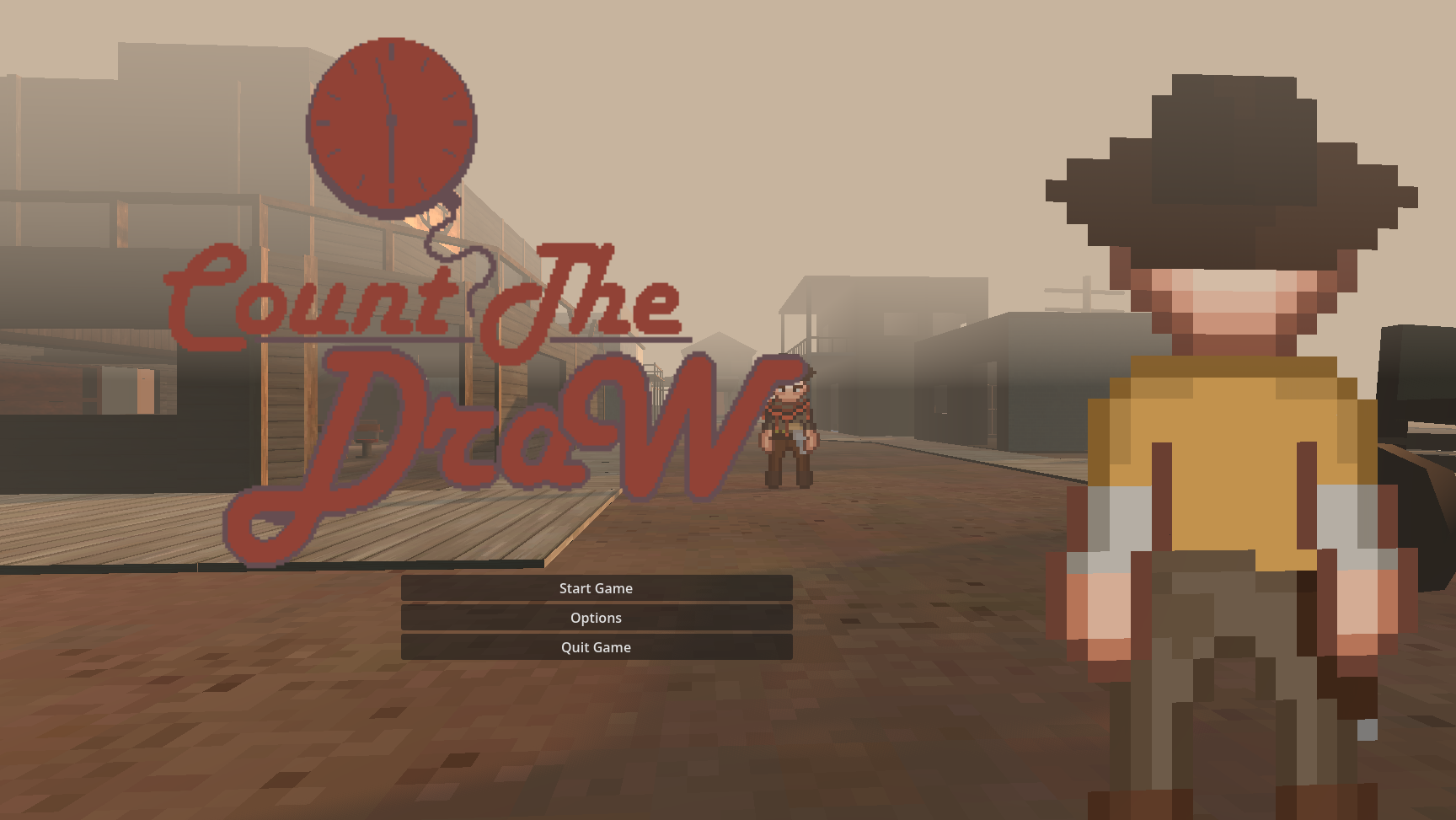
A lone stranger is trapped in a small western town that resets every day, ending in an almost unwinnable duel at 6pm. By learning routines, uncovering secrets, and using knowledge from past loops, you try to manipulate the day just enough to finally change the outcome.

Role

Fully developed solo

Team Size

1

Tools used

Godot

Overview:

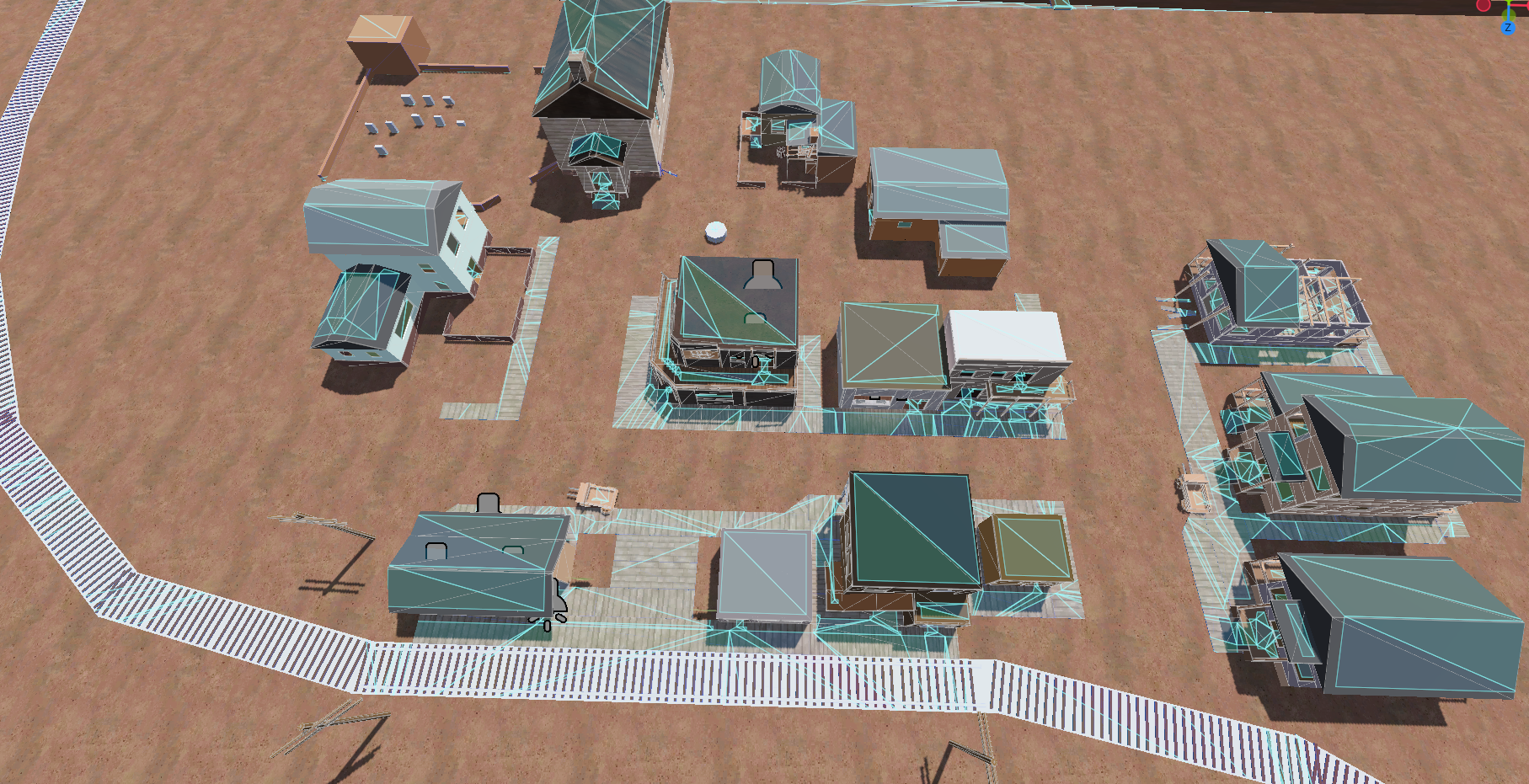
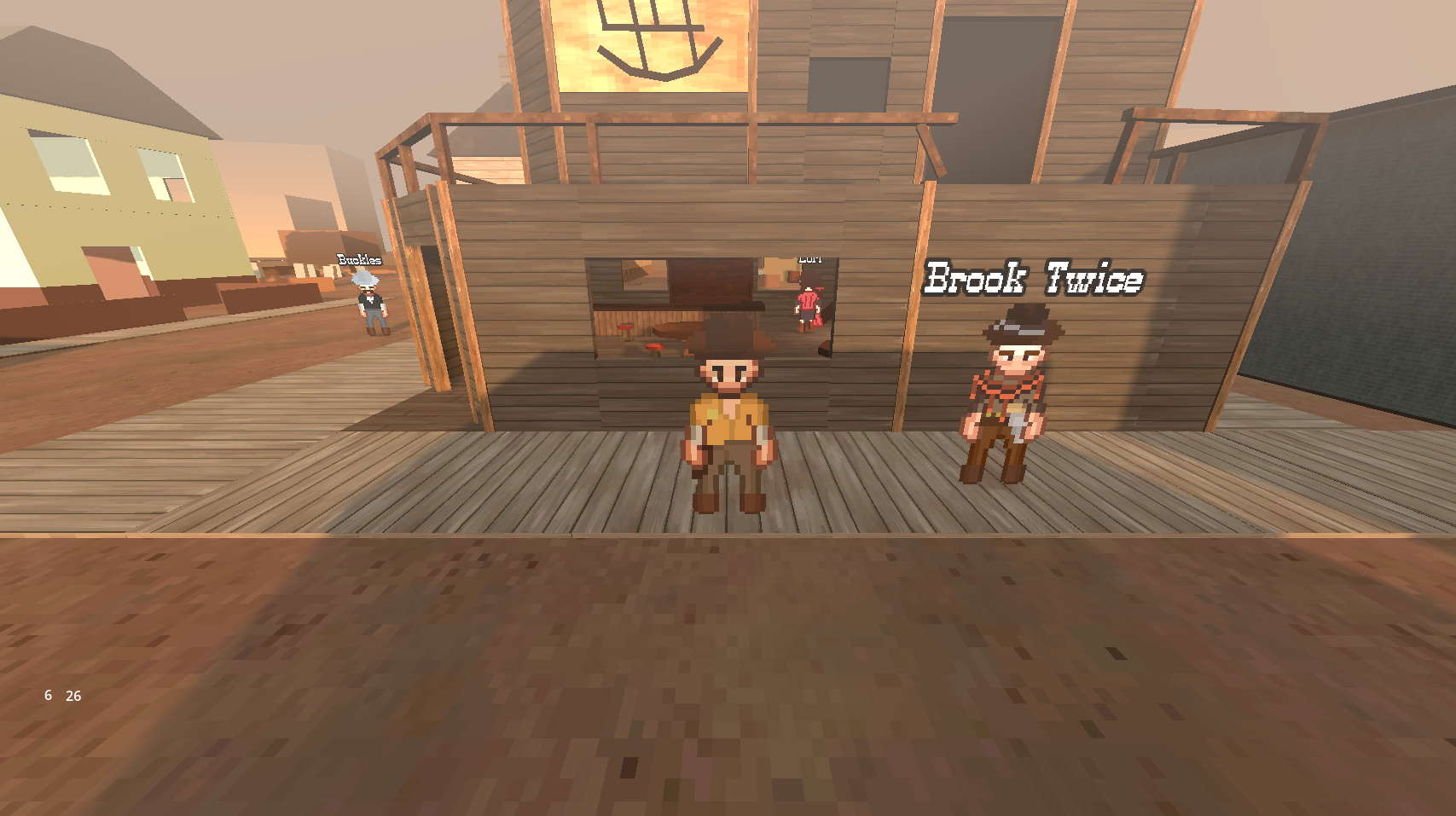
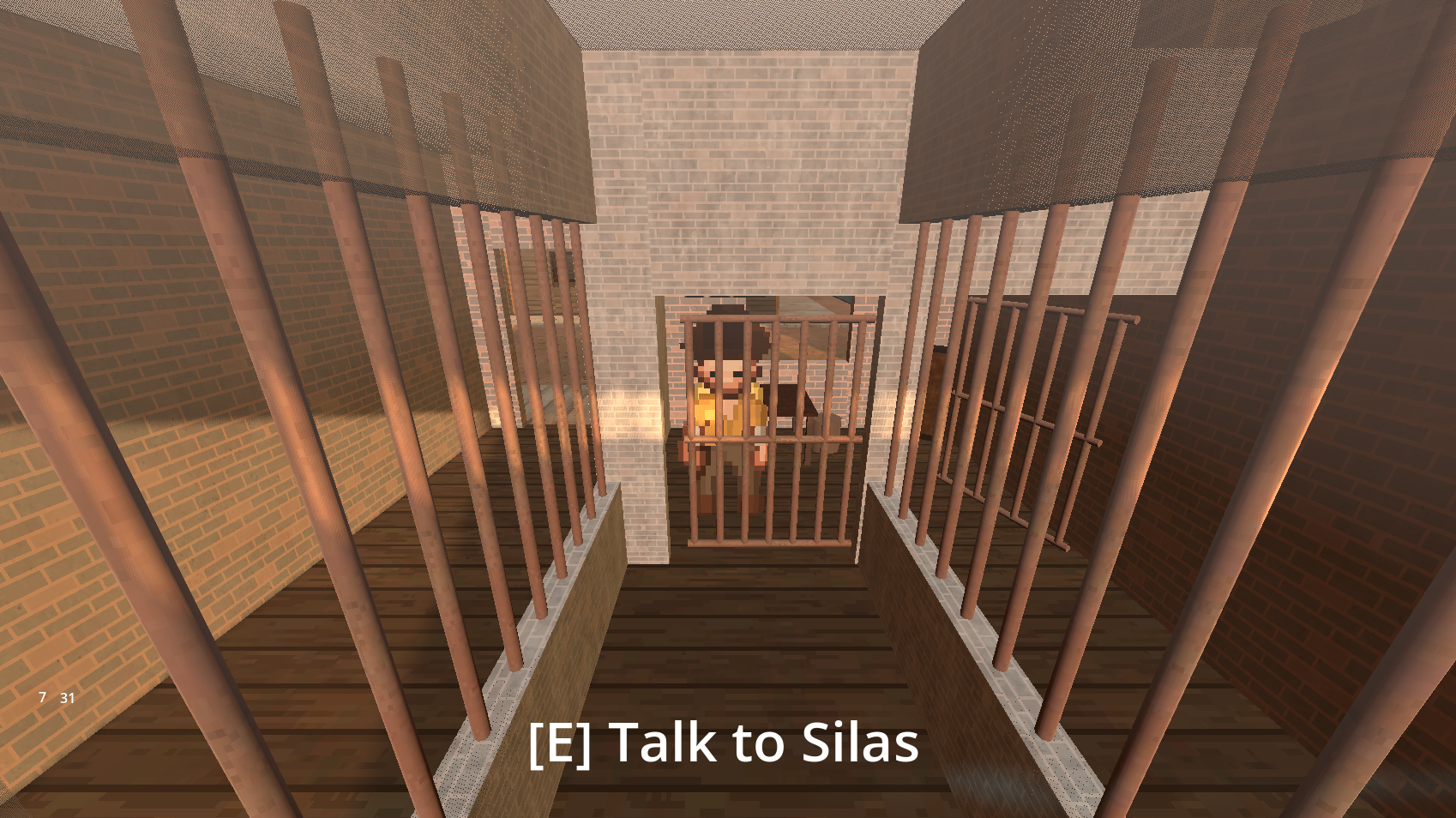
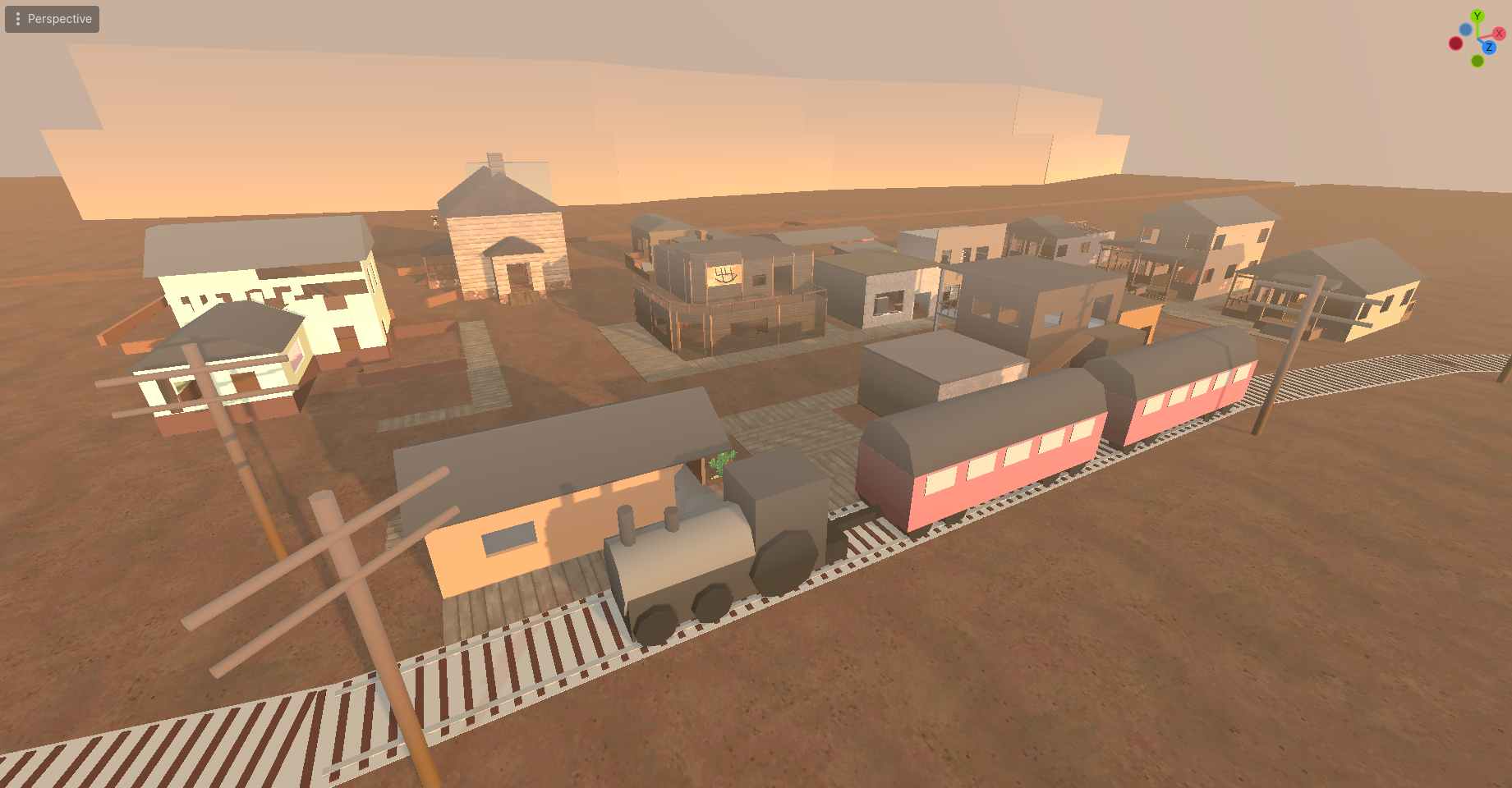
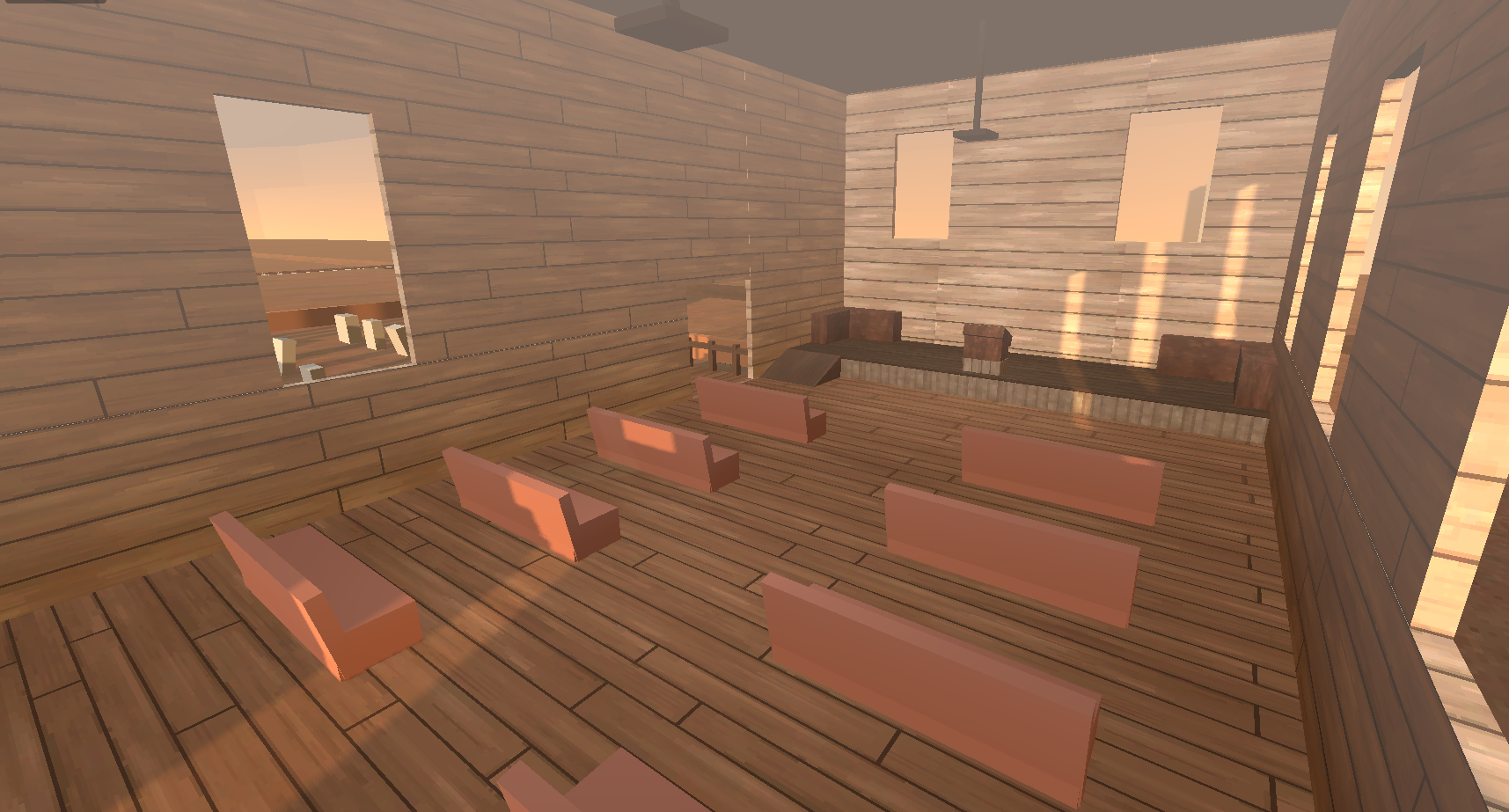
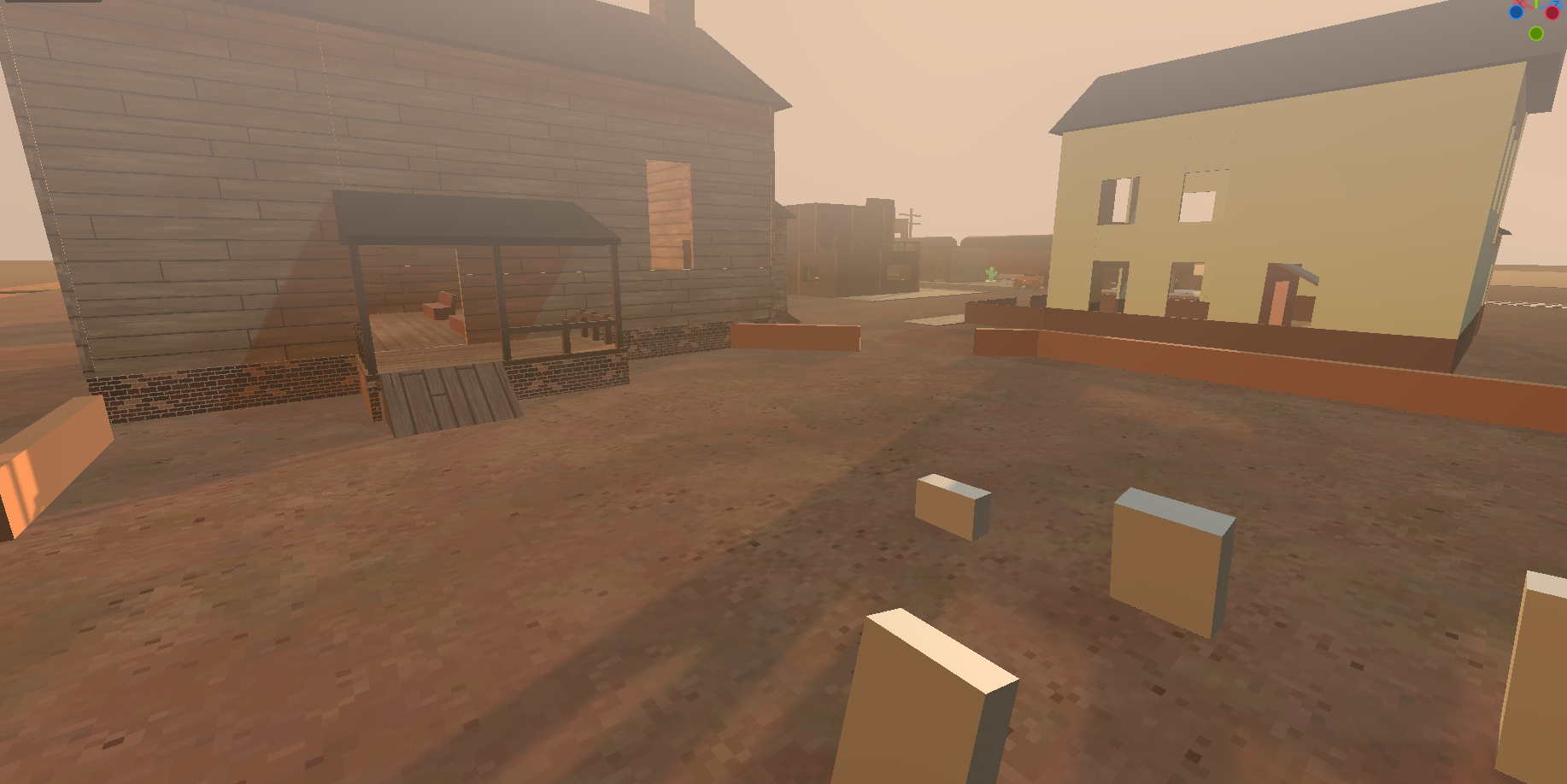
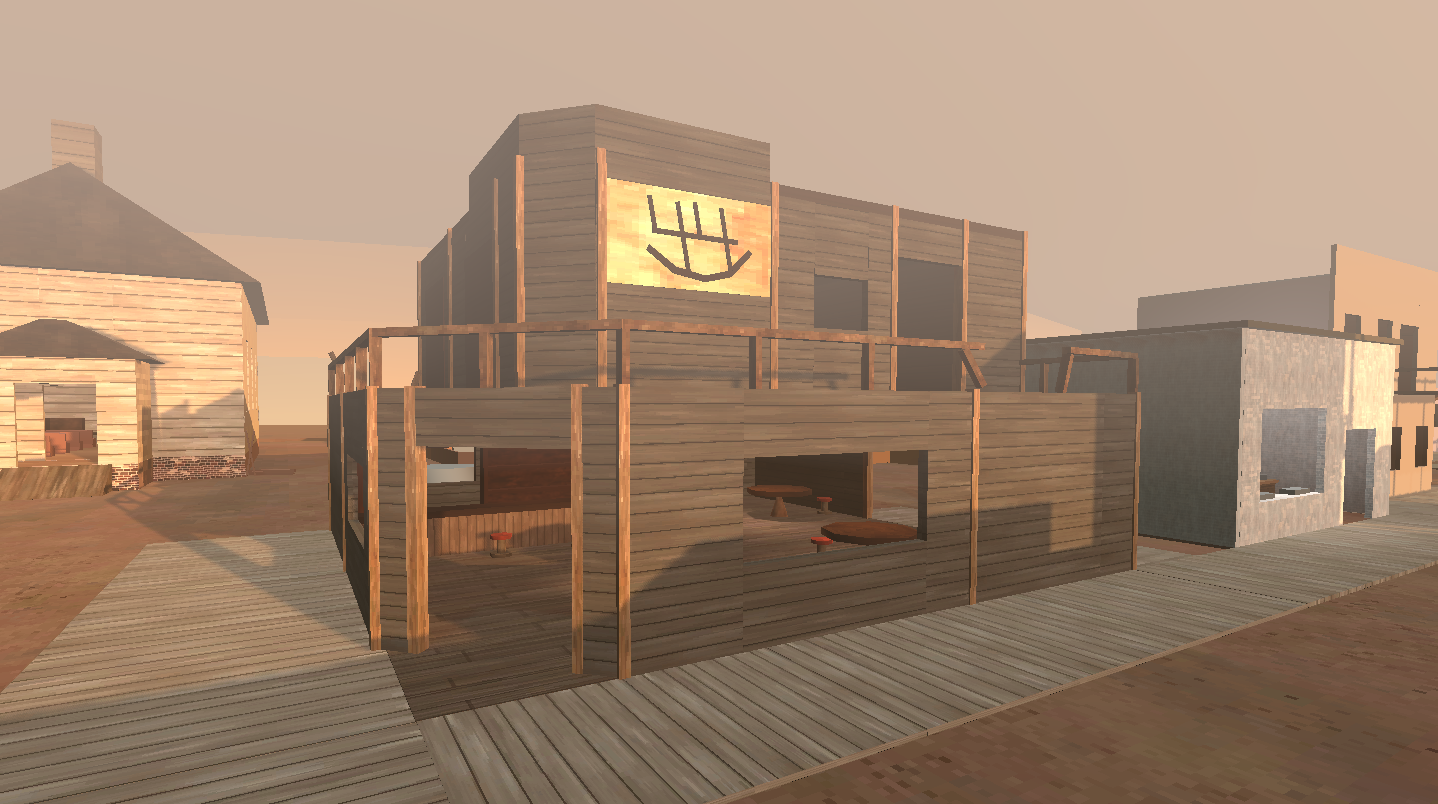
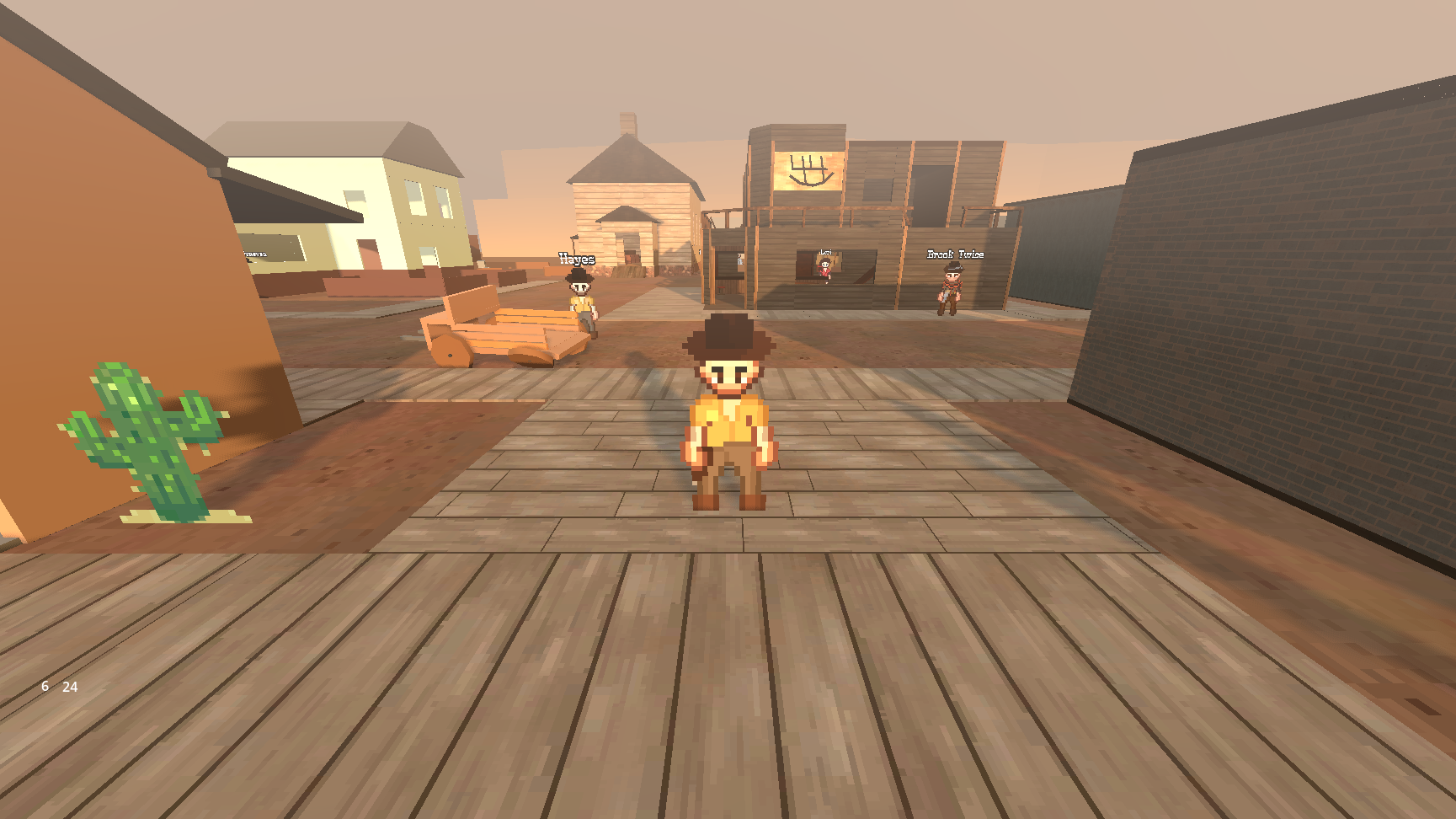
Count the Draw is a time-loop western set in a small, tightly designed town where each day resets and ends in an almost unwinnable duel at 6pm. Inspired by systemic narrative design and routine-driven worlds, the project focuses on how player knowledge, NPC schedules, and subtle dialogue changes can transform repetition into progression.

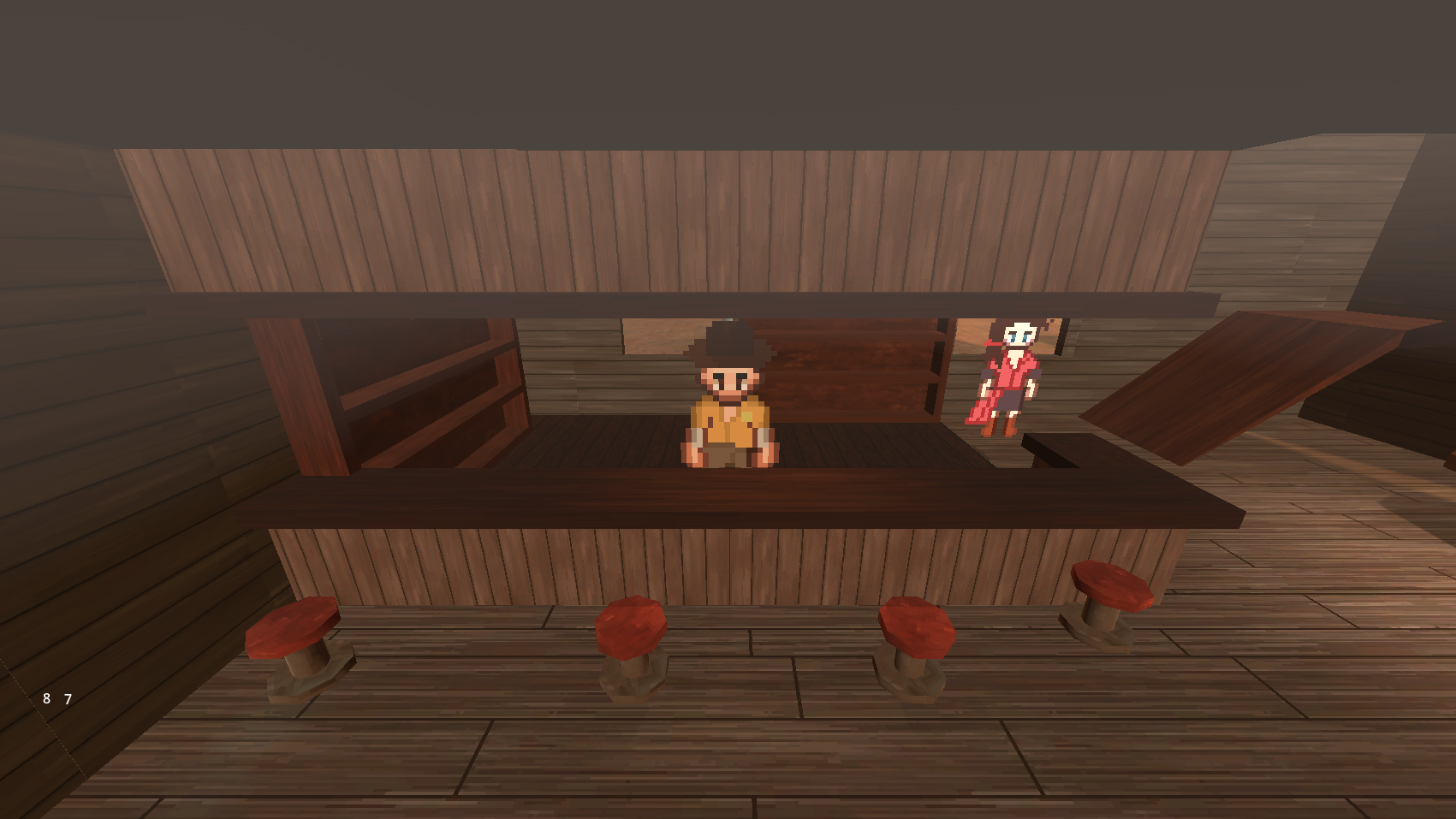
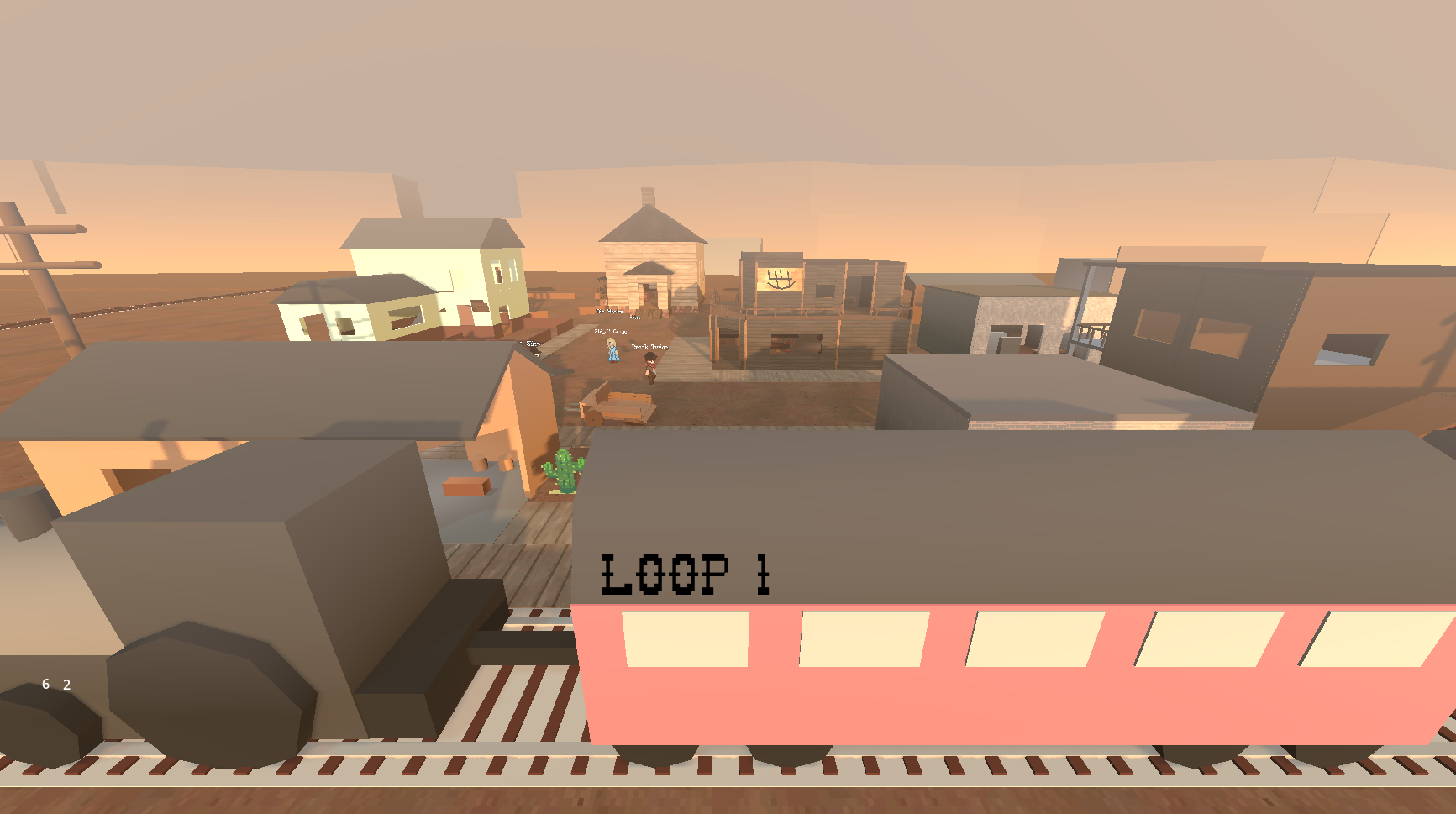
My goal is to create a living town that feels independent of the player, where conversations, movement, and daily routines continue with or without your presence. Through this, the game emphasizes observation, timing, and decision-making—encouraging players to learn the rhythm of the world and use each loop as a tool to manipulate outcomes and ultimately survive the final duel.
Releasing a game on Steam:

This project also marked my first time releasing a game on Steam, introducing an entirely new side of development beyond design and implementation. I went through the process of applying for Steamworks, setting up the project backend, and learning how to present a game through its store page. I was thinking about how to communicate the concept clearly through visuals, descriptions, and tags, as well as preparing screenshots and trailers that could stand on their own without prior context.

Publishing the game and seeing it on Steamworks was a major milestone & made this project feel real.

3 Week Timeline:

With only three weeks to reach a playable state and present it at the Game Design Conference (GDC), scope became the most important design constraint. Rather than attempting to build out every system to completion, I focused on identifying the core experience: the time loop, NPC routines, and the final duel. Ensuring those elements were functional and cohesive.

This meant cutting or simplifying features that didn’t directly support the central loop. By prioritizing a strong, playable slice over a broad but incomplete experience, I was able to maintain clarity in both design and implementation, ensuring that each system contributed meaningfully to the player’s understanding of the world and its mechanics.

Prepared to Struggle:

Given the tight deadline, organization became critical to maintaining momentum throughout development. The use of design documents and a Kanban board allowed me to break down complex systems into manageable tasks, prioritize effectively, and quickly adapt when challenges arose.

Rather than slowing development, this structure enabled faster iteration by reducing ambiguity and keeping the focus on immediate, achievable goals. It also made it easier to track progress and maintain a clear direction, ensuring that even during moments of crunch, development remained intentional rather than reactive.

Reflection:

This project was my first time working in Godot, which added an extra layer of challenge on top of an already tight three-week timeline. Learning a new engine while building a fully playable experience forced me to quickly adapt, problem-solve, and focus on understanding core systems rather than getting caught up in surface-level polish. By the end of the project, I had not only become comfortable navigating Godot’s workflow and scripting in GDScipt but also gained confidence in my ability to learn and apply new tools under pressure.

More importantly, I was able to take a concept that existed only in my head. a time-loop western built around routine, dialogue, and an inevitable duel, and translate it into something playable. While the project is still a small slice of a larger vision, it successfully captures the core experience I set out to create: a town that feels alive, where player knowledge and timing shape the outcome of each loop.

Bringing the project to GDC and showing it to others was a crazy motivating experience. Watching people engage with the systems, explore the town, and react to the concept in real time was both exciting and validating. It transformed the project from a personal experiment into a shared experience and reinforced my motivation to continue developing and refining the game moving forward.